A perfectly imperfect list: 120 Vocal Jazz All-Stars
This morning (January 2026), I woke up to learn that the fabulous jazz singer and rhythm guitarist Rebecca Kilgore, known affectionately to colleagues as “Becky,” died at the age of 76. Her death extends the unfortunate recent loss of two generations of jazz vocalists. Since publishing a five-part series on vocal jazz in October 2021 transitions within the vocal jazz community have included Andy Bey, Sheila Jordan, Nancy King, and Cleo Laine (2025), Marlena Shaw (2024), Jay Clayton, and Carol Sloane (2023), and Ernie Andrews and Barbrara Morrison (2022).
Kilgore established her reputation in the Portland, Oregon jazz scene before gaining national attention and was renowned for her swinging, melodic, no-nonsense approach to interpretation, especially popular standards from the 1920s-1940s. Like many contemporary jazz vocalists, she paid her dues, gained the respect of fellow musicians and jazz fans, and recorded for independent record labels. The Pacific Northwest has been a home for many top-tier singers including Ernestine Anderson, Janis Mann, Nancy King, Gail Pettis, and Diane Schuur, and remains a fertile place for the artform. Unlike a lot of mainstream pop music jazz heavily depends on local and regional scenes where artists can build their talents and develop as artists. For example, singers like Andrews and Morrison were staples of the L.A. jazz scene even when their records garnered national and international attention. The late Rebecca Parris began performing in Boston’s music scene and recorded for local and national record labels to much acclaim.
I have been pondering the idea of creating a list of the 100, or so, most influential, creative and unique jazz vocalists for years. My goal has always been to draw readers to explore the roots of jazz, at a time when our memories feel increasingly isolated from the past, and to illuminate the vibrant ways contemporary vocalists are deepening the tradition. Unlike the 1930s-1990s few jazz singers record for record labels with the resources to cross them over to mainstream pop audiences. As such, most jazz singers record independently and make their living performing at concerts, festivals, jazz cruises, cabaret rooms and other venues. Many of today’s more innovative vocalists are regionally rooted and sing primarily for connoisseurs who seek them out. Several singers have periodically achieved crossover success via exposure in films (Harry Connick Jr.), the embrace of rock critics and audiences (Cassandra Wilson), and/or a mix of broad appeal and savvy promotion (Diana Krall). Today social media, success at jazz competitions, like the Herbie Hancock Institute of Jazz (formerly the Thelonious Monk International Jazz competition), and resonant performances at jazz festivals are among the routes that have propelled several newer voices forward including Jazzmeia Horn and Samara Joy.
Composing a list shaped by both sheer talent and perceived impact is perfectly imperfect. While many singers from the past who have balanced jazz artistry with popular appeal are clearly influential, more recent generations have relied more on a combination critical support, diverse media exposure, and persistent touring to build their audiences. What has been lost in terms of commercial exposure has led to more risk-taking and innovation, and an impressively wide palette of approaches.
Selection Criteria
· Proficiency: What are the artist’s specialties and strengths?
· Artistic influence: How has the artist influenced the style, repertoire, or approach of peers?
· Industry impact: How effectively has the artist built an audience? How has the artist contributed as an educator, ambassador, and/or peer?
· Innovation/distinction: What does the artist do creatively that is unique?
· Top Tier recordings: Examples of accomplished, unique, and/or influential recordings
Notes on inclusion and exclusion
I value the expressive diversity inherent to jazz oriented vocal music. As a century old artistic form, the range of songs, styles, and voices is too vast to contain to a singular country or subgenre. Thus, you will see highly familiar artists form the past and present and artists who are ambassadors of jazz in their respective countries who embody the scope of American jazz beyond national borders.
Though composers are sometimes more proficient at composing than singing I felt compelled to include some of the more influential and prolific singing songwriters of jazz. For example, Dave Frishberg would have probably said he was far better at writing a song or playing the piano than vocalizing but his songs are widely interpreted by vocalists, in jazz and beyond, and his versions are often definitive. Comparatively, Carmen Lundy could make a living as an interpreter but has chosen the more challenging route of building a repertoire that has led other singers to adapt her original works.
Several important jazz-influenced popular singers like Tony Bennett, Rosemary Clooney, and Frank Sinatra are not included on this list. These artists have always insisted they are not “jazz singers” due to their emphasis on melodies as written and limited improvisational input. I include a few vocalists who blur the category between jazz influenced pop and jazz because they have recorded and performed in a high proportion of jazz-oriented settings such as Peggy Lee and Nancy Wilson. Peggy Lee is important to vocal jazz as a composer, an influence on the “cool” vocal style, and a concept album artist. Wilson’s synthesis of swing, blues, and crooning is also notably influential in jazz, and R&B, and her recordings with Cannonball Adderley are canonical.
As with any list there are some gifted artists I have excluded by necessity. I declined to include artists whose presence felt redundant. For example, Diana Krall is a highly competent singer, pianist, and leader whose style reflects rather than advances that of obvious influences like Shirley Horn, Carmen McRae, Peggy Lee and Julie London. Relatedly, I classify Norah Jones, Madeline Peyroux, and Michael Bublé as pop crooners even if they occasionally work with jazz musicians. Pop is not a slur; it’s merely a distinction in approaches. There are also emerging artists in vocal jazz still finding their voice. If I revisit this list in a few years, it’s likely to expand. These are highly subjective areas which lead me to ask the reader: who would you include?
Among the 120 artists featured 105 are American, six are Brazilian, five are British, two are Canadian, and there is one Dutch and one Italian vocalist. There are 86 women and 31 men in the solo categories and three vocal groups including all-women and mixed gender groups. 48 of the 120 artists are living.
I have grouped the artists in 10 categories to place them in a creative context with related artists. The categories include the following:
· Pioneer, archetypes, and blueprints
· A Touch of the Blues
· Lean, purposeful, and swinging
· Crooner jazz
· All-around
· Daredevils
· Convergent generation
· Sensual and spacious
· Composers
· Cool
The internet has made it incredibly easy to access websites featuring biographical information about these singers and to peruse their discographies, so I describe the categories below in greater depth and follow it with a list of recommended recordings by each artist. I hope this list helps listeners begin to “build” their vocal jazz library and/or enhances the scope of recording an established jazzhead already enjoys. The goal is to catalyze, enhance, and deepen.
PIONEERS, ARCHETYPES & BLUEPRINTS
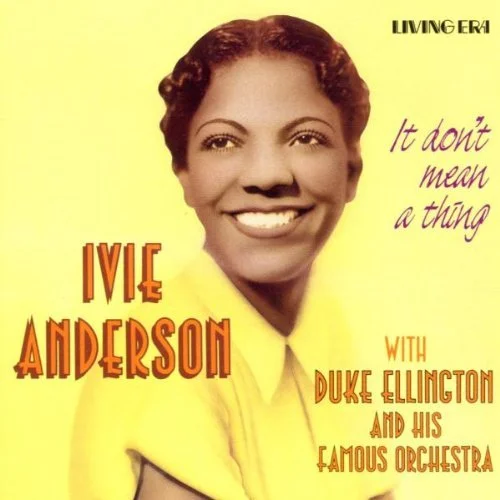
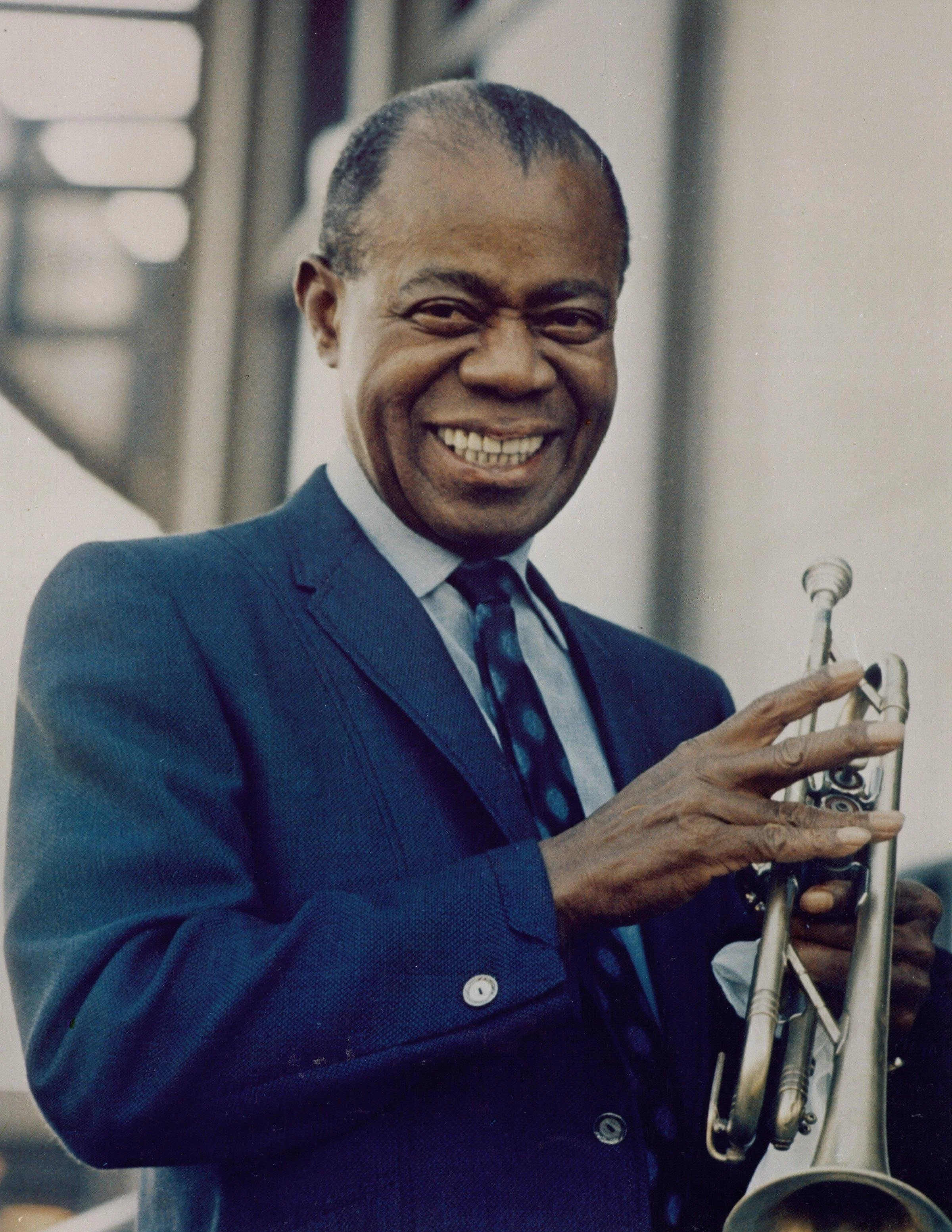
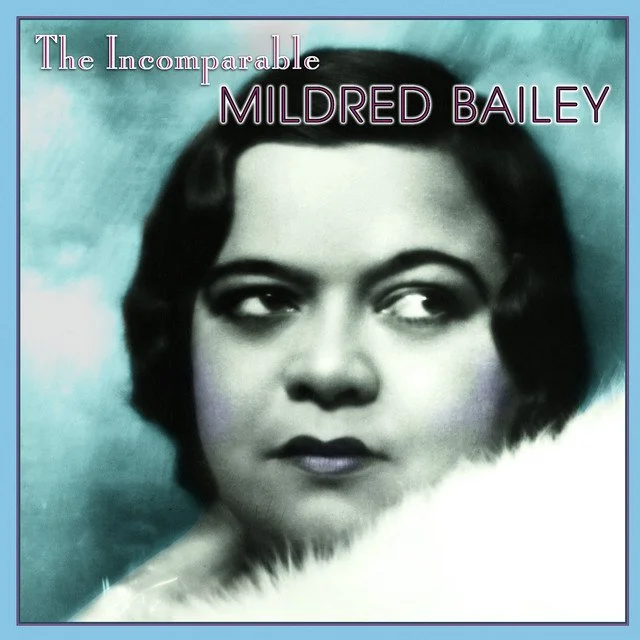
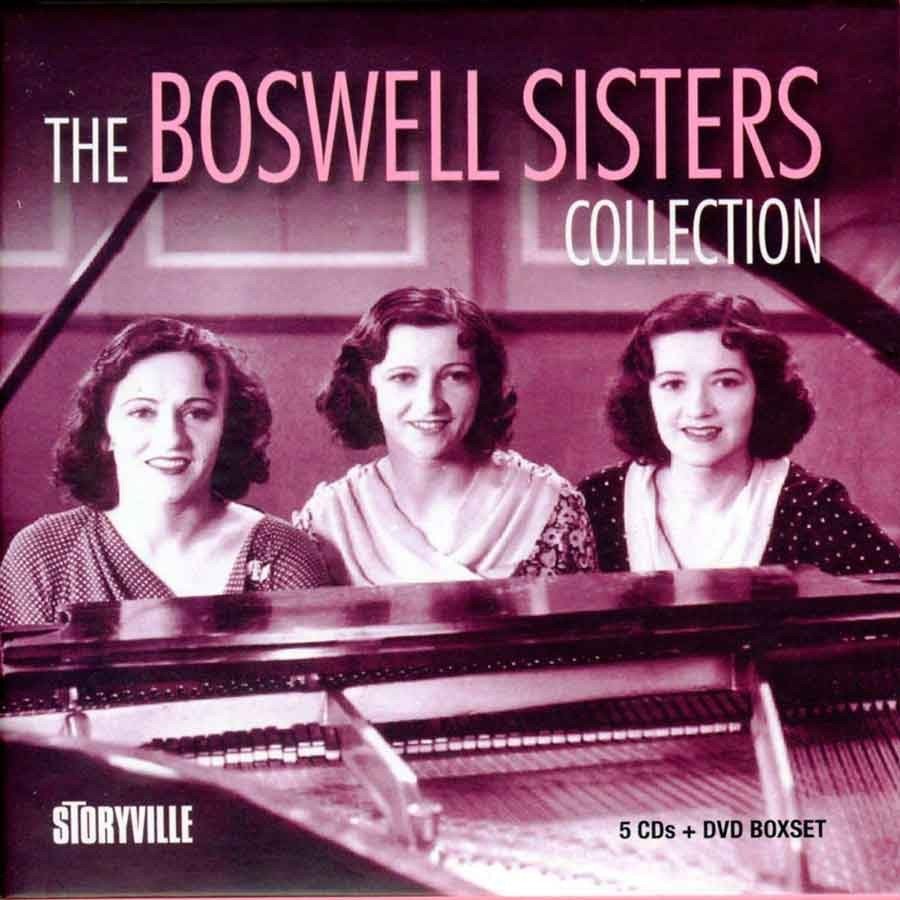
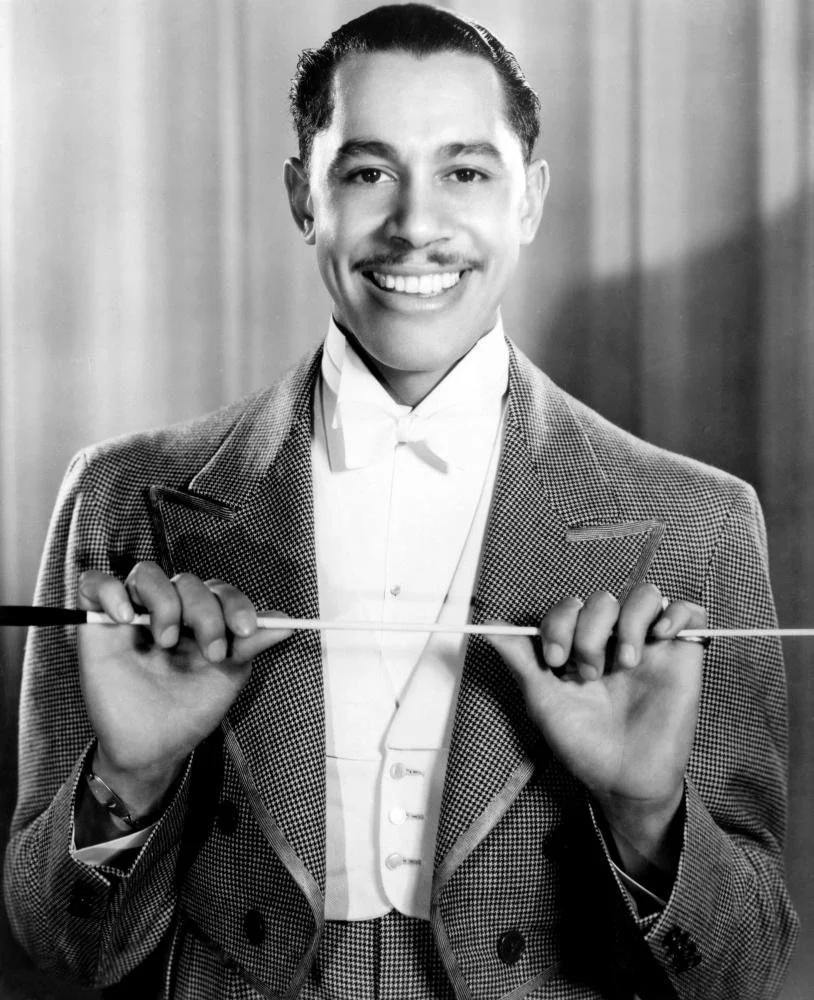
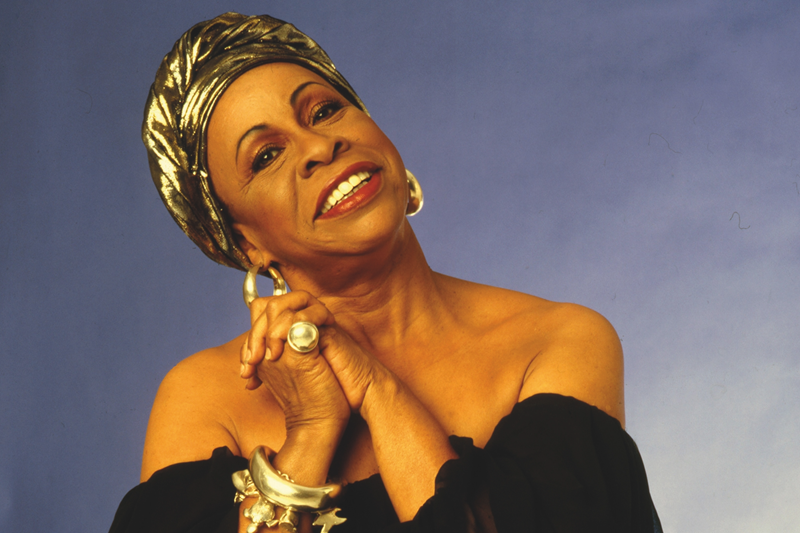
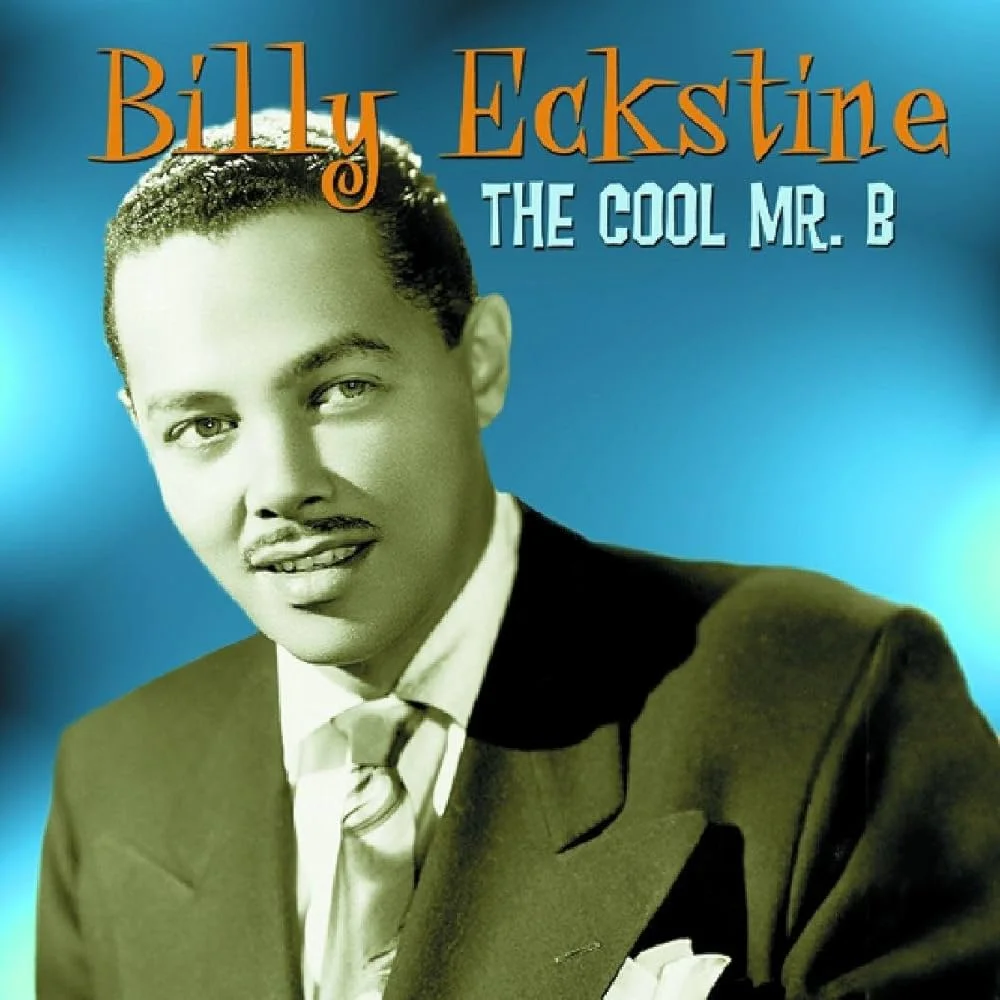
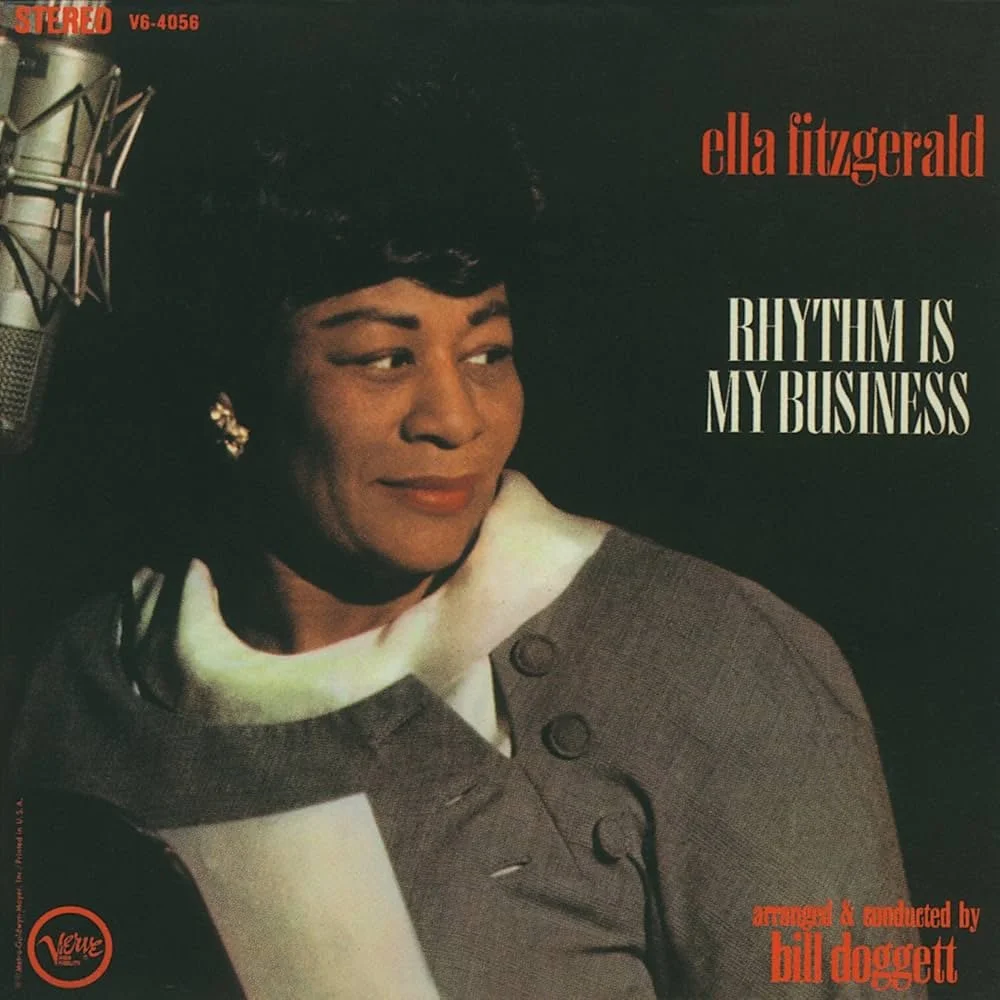
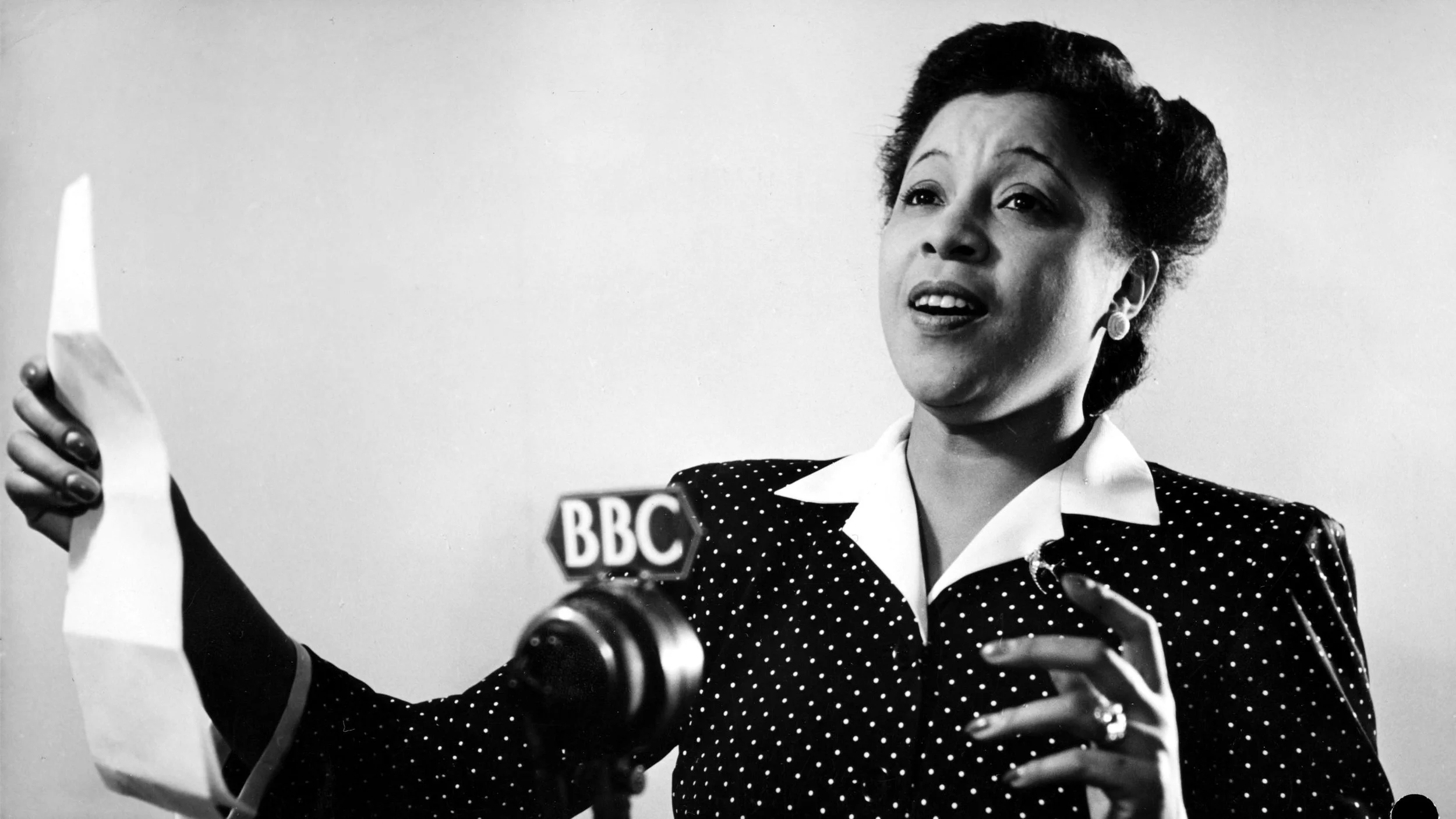
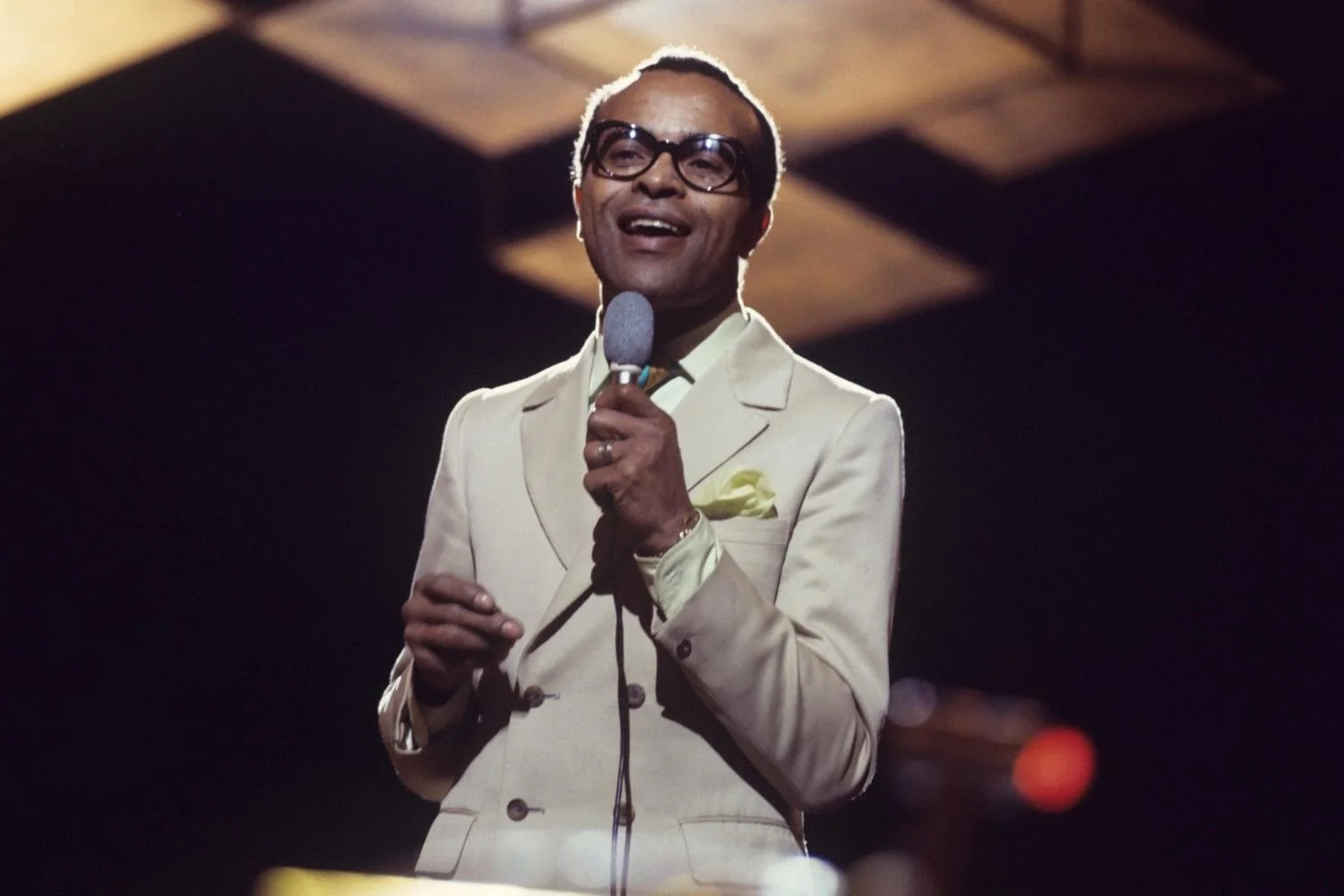
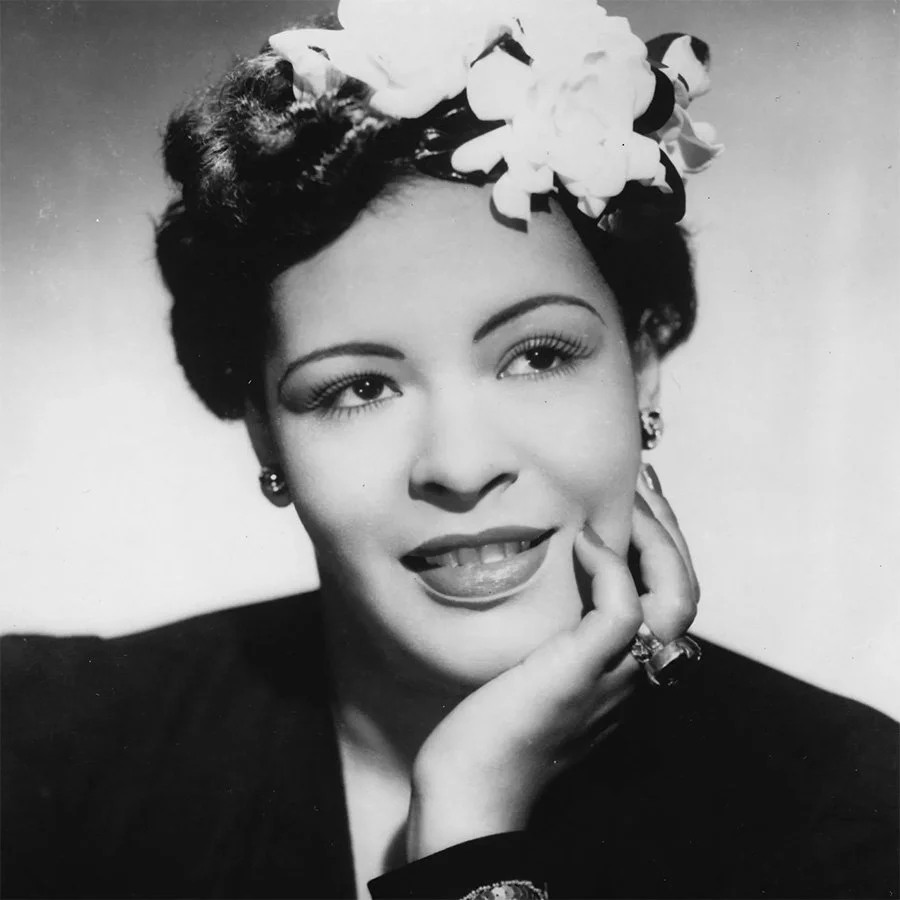
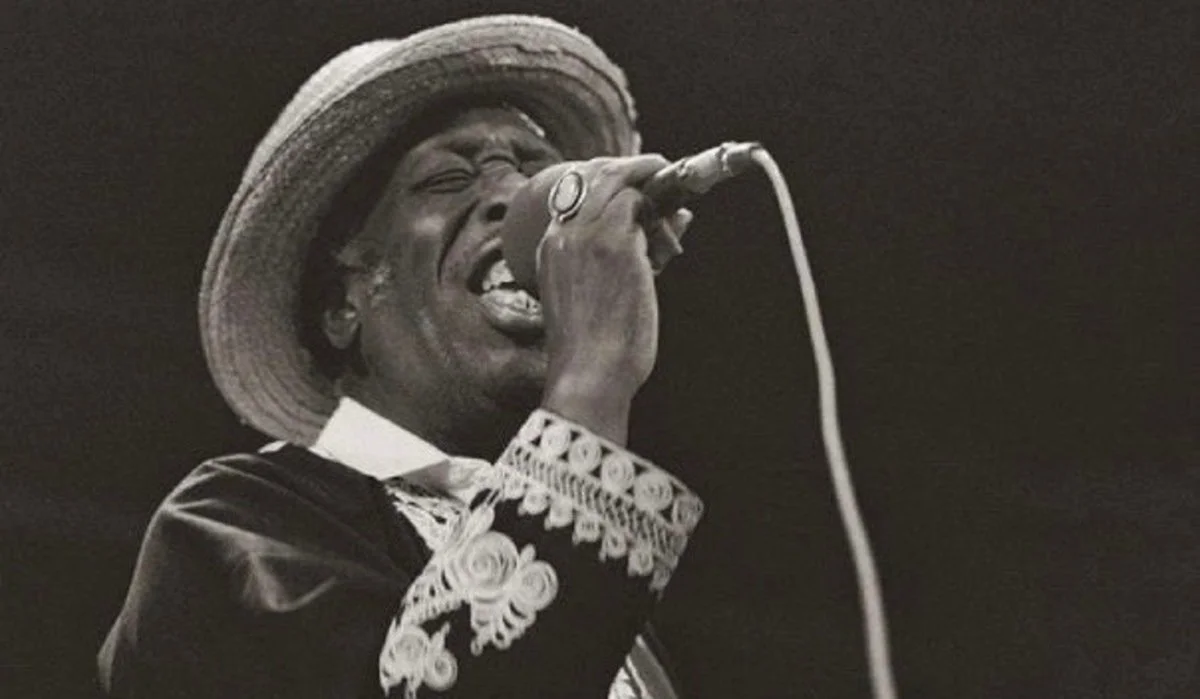
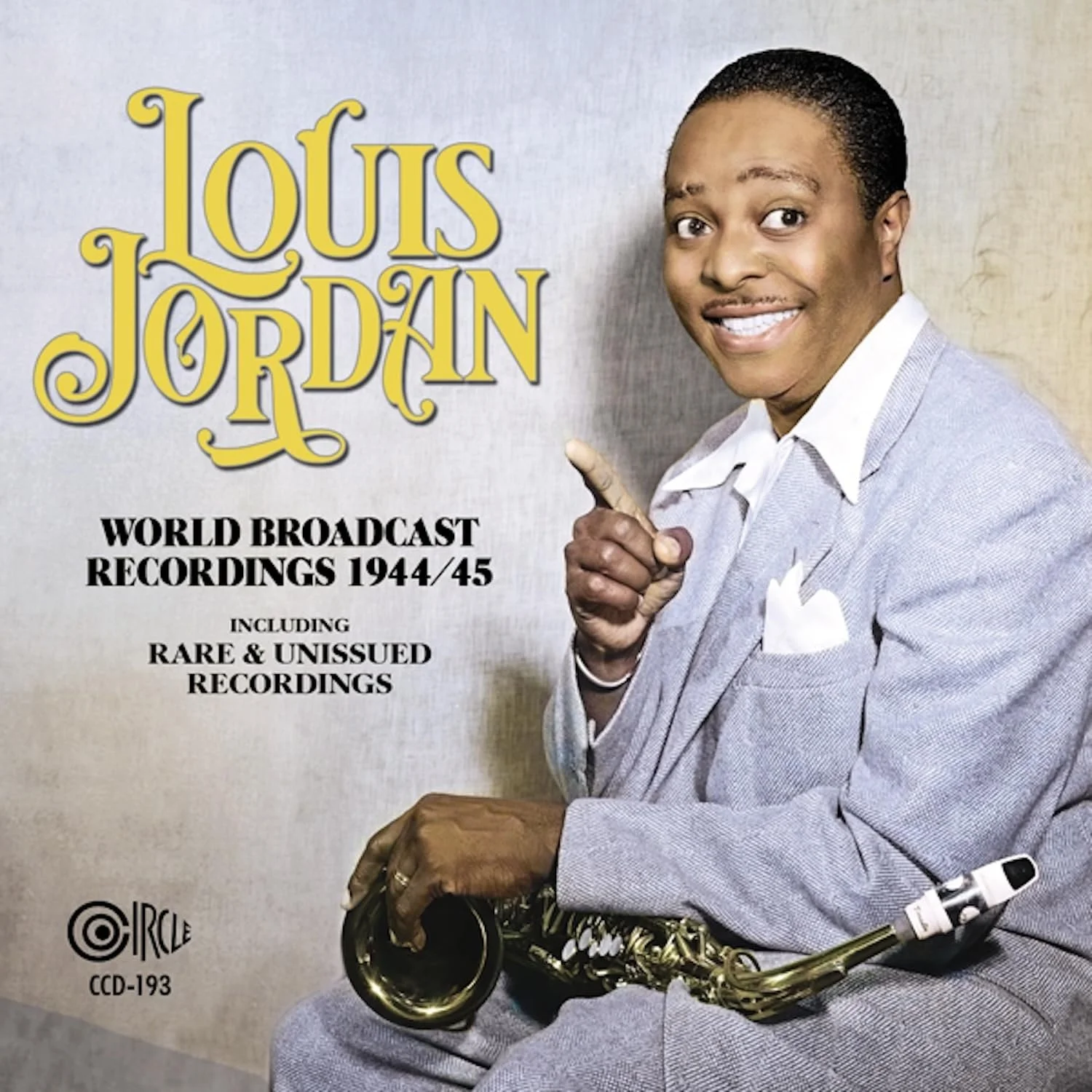
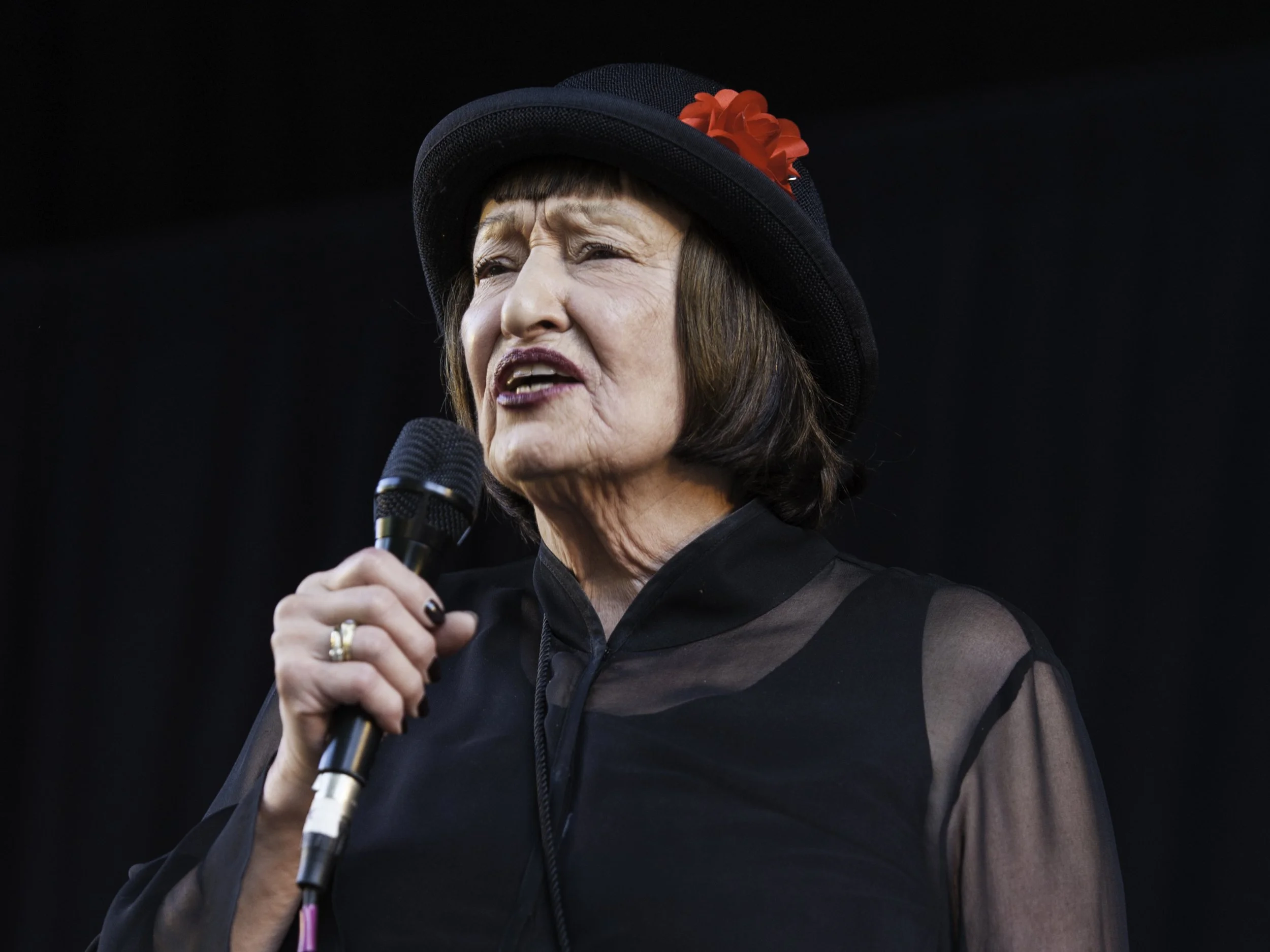
This group features artists fundamental to the development of vocal jazz as a distinctive artform spanning from its origins during the swing era to today’s more contemporary eclecticism. A listener who is relatively new to jazz will find the major recordings of these artists highly informative in helping them understand the shape of jazz over a century of recording. The capacious list includes encompasses the original harmonic and rhythmic approach of New Orleans’s Boswell Sisters, the vibrant, theatrical approach of Cab Calloway, Louis Jordan, and Fats Waller, and top-tier big band singing by the swinging Count Basie singers Jimmy Rushing and Joe Williams.
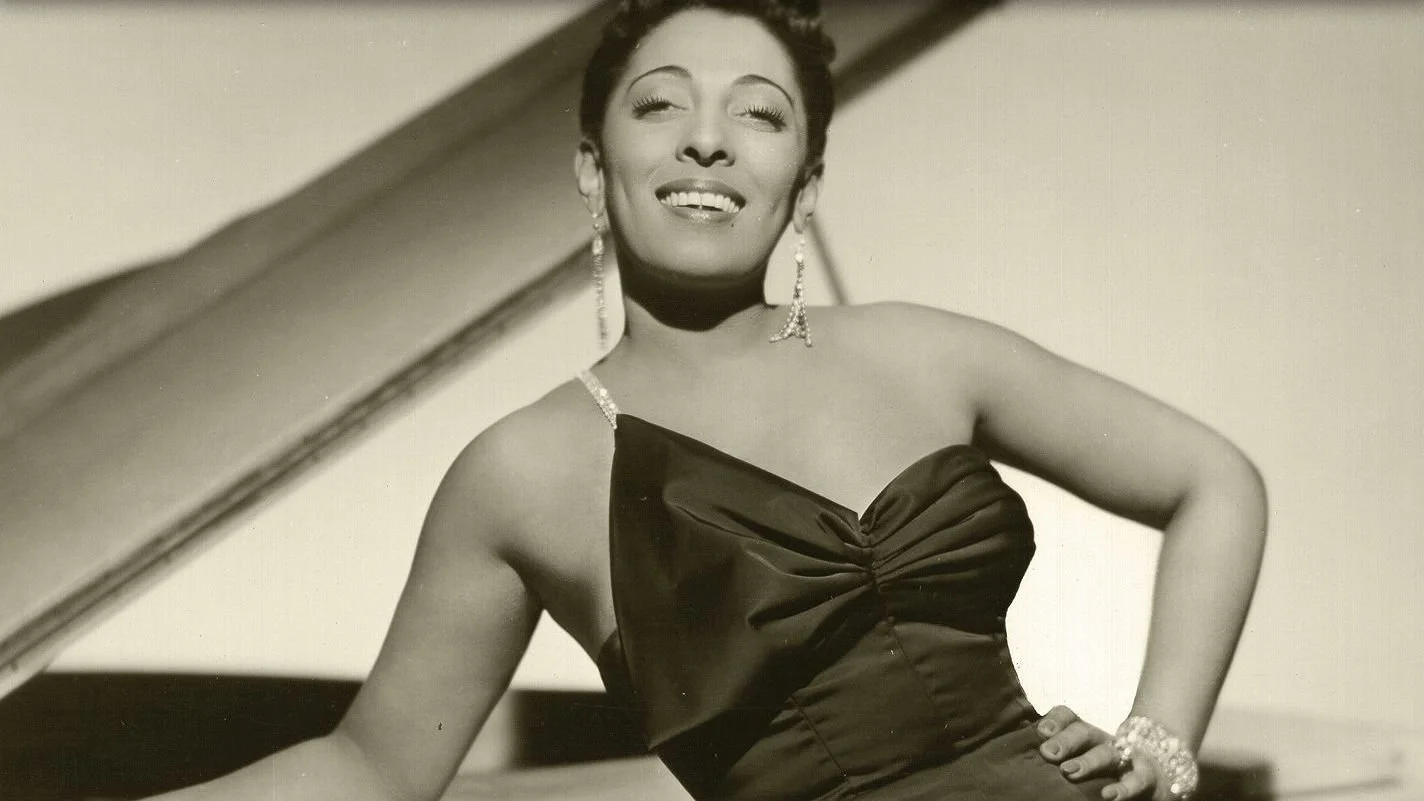
While many of these performers are ubiquitous widely celebrated figures such as Louis Armstrong, Ella Fitzgerald, and Billie Holiday, there are other performers whose contributions are less known to the public but are well known within the jazz community. For example, Eddie Jefferson pioneered the art of vocalese writing lyrics to instrumentals or notable jazz solos. Though Jefferson was not a traditional crooner and did not achieve great commercial popularity his compositions and approach have influenced the style and repertoire of multiple generations of singers. Relatedly, singers like Ivie Anderson and Mildred Bailey were pioneers of big band jazz who authored a fundamental style of jazz-oriented singing amongst women singers. Generations of singers including Lena Horne, Peggy Lee, Lee Wiley, and Maxine Sullivan are informed by their approach. Relatedly, Adelaide Hall who was a vocalist and actress who recorded with the Duke Ellington orchestra, recorded as a solo artist, and was also a blueprint for the intersection of a cabaret oriented theatrical type of thinking fused with jazz and swing. Of course, the matriarch of this fusion type of approach that draws from jazz, cabaret, crooning, as well as the Blues was Ethel Waters who was at the forefront of the jazz inspired popular singing style that we largely associate with Armstrong.
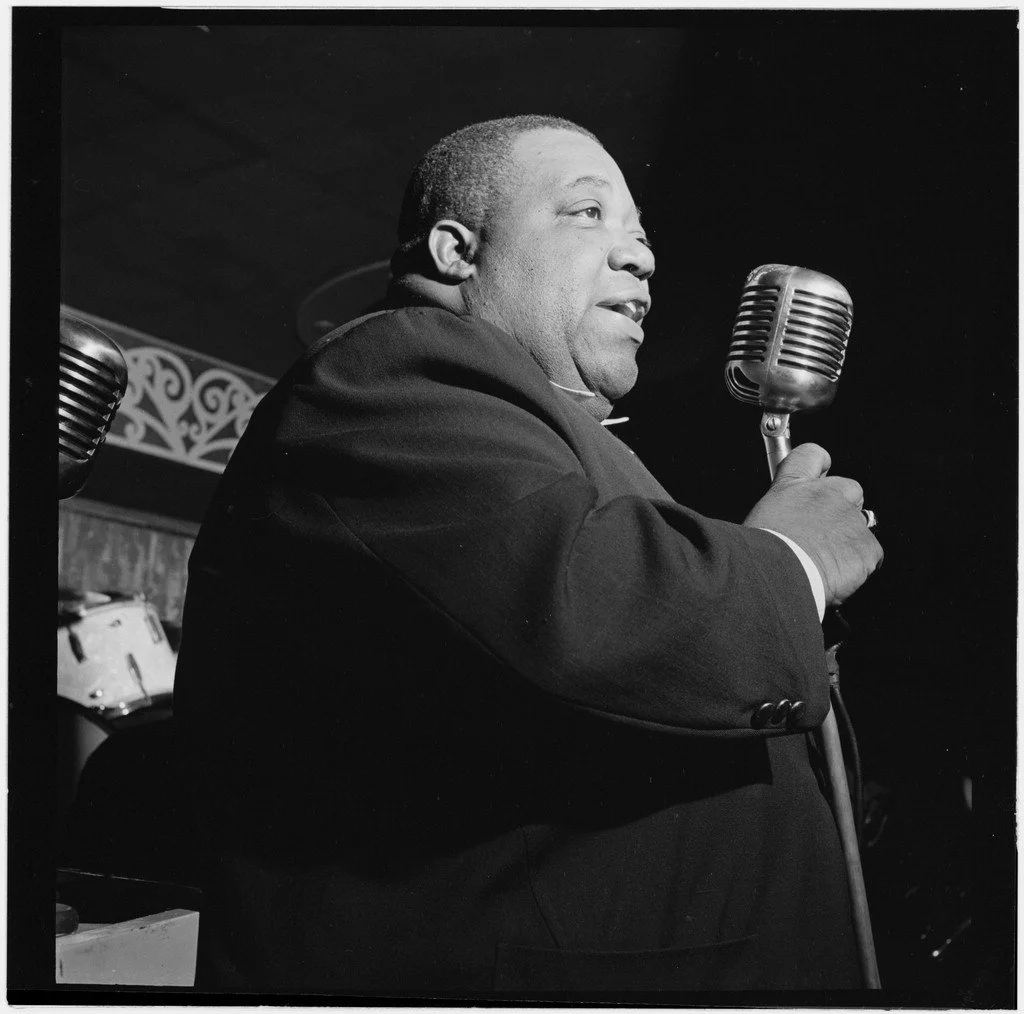
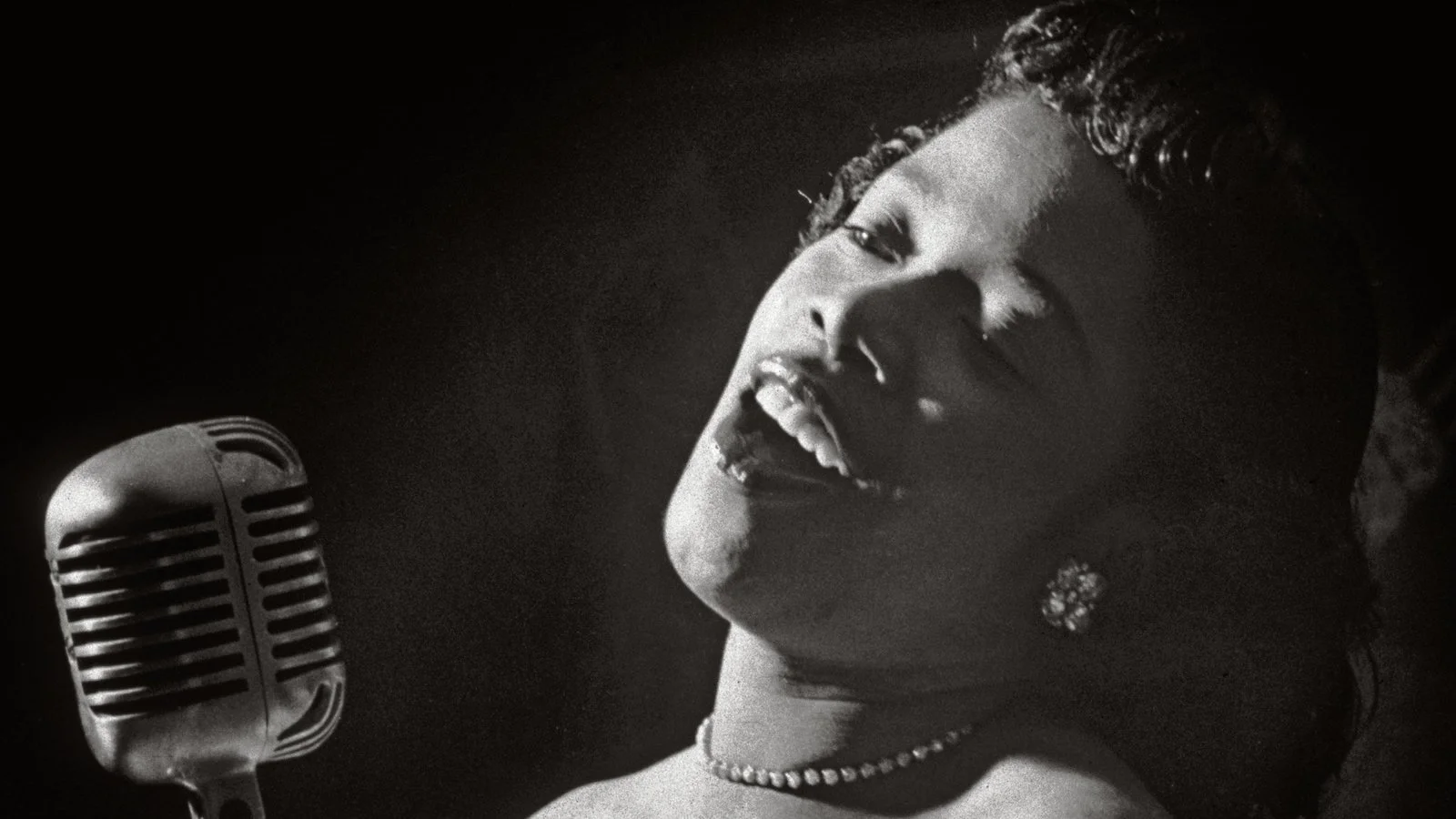
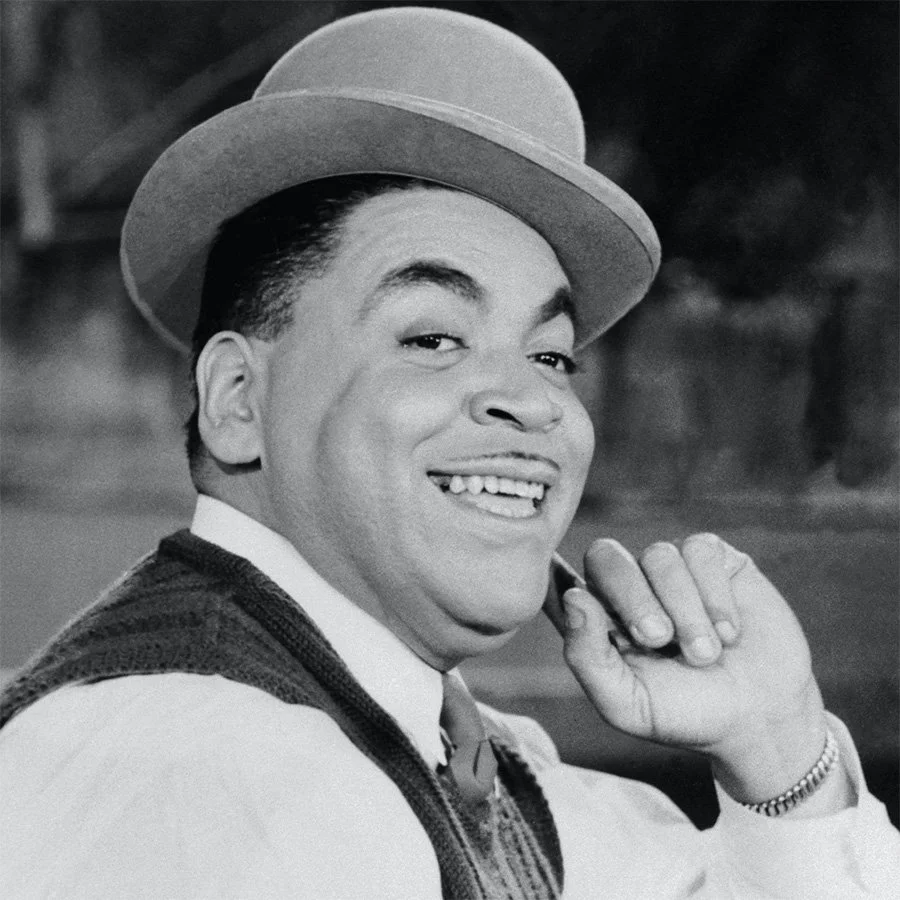
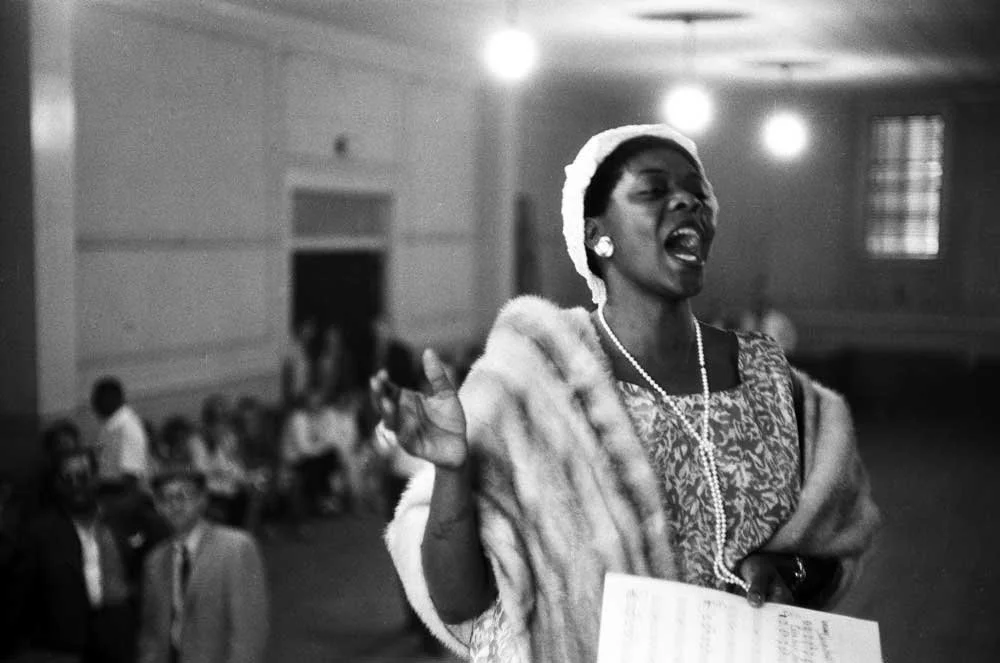
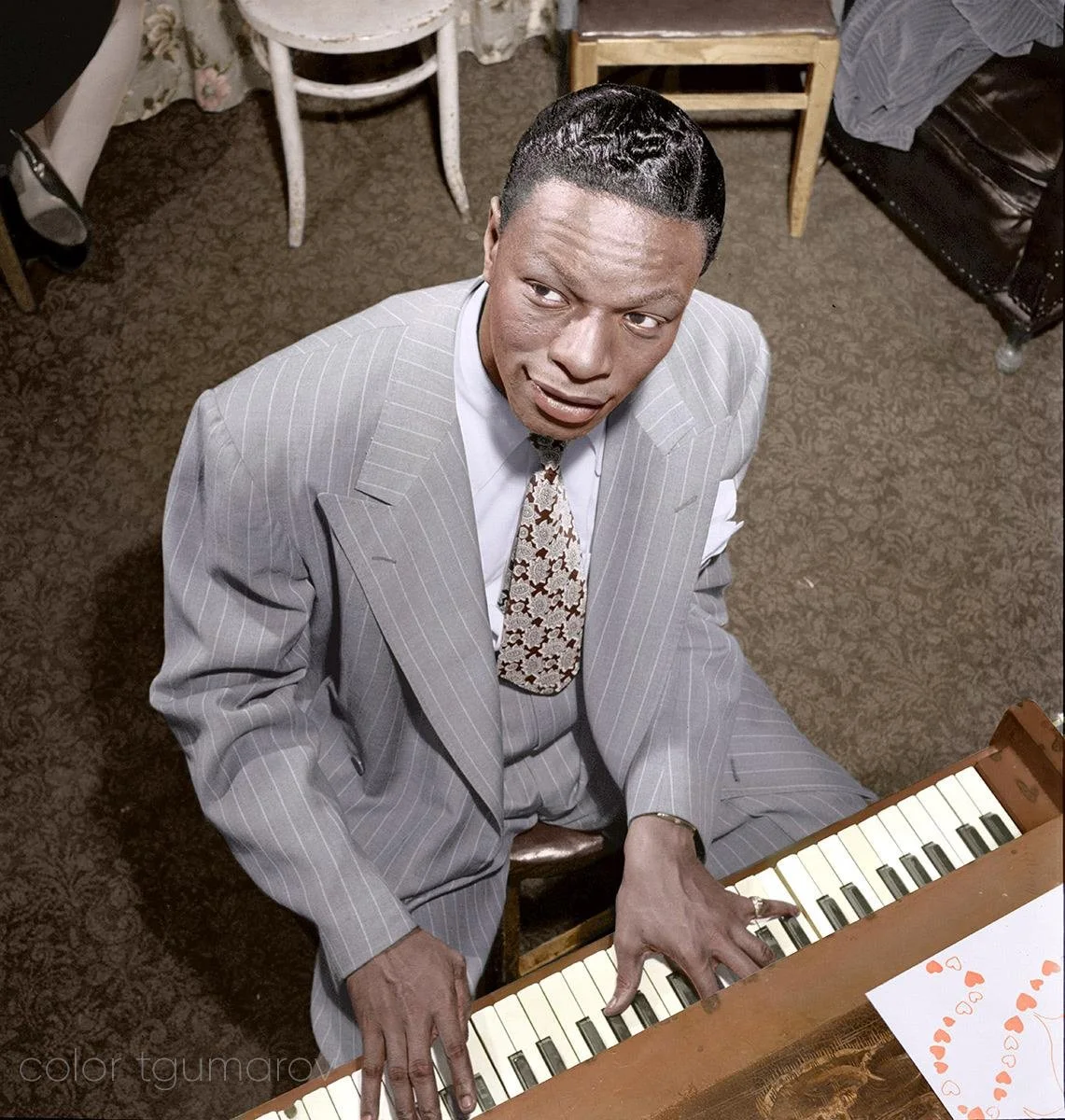
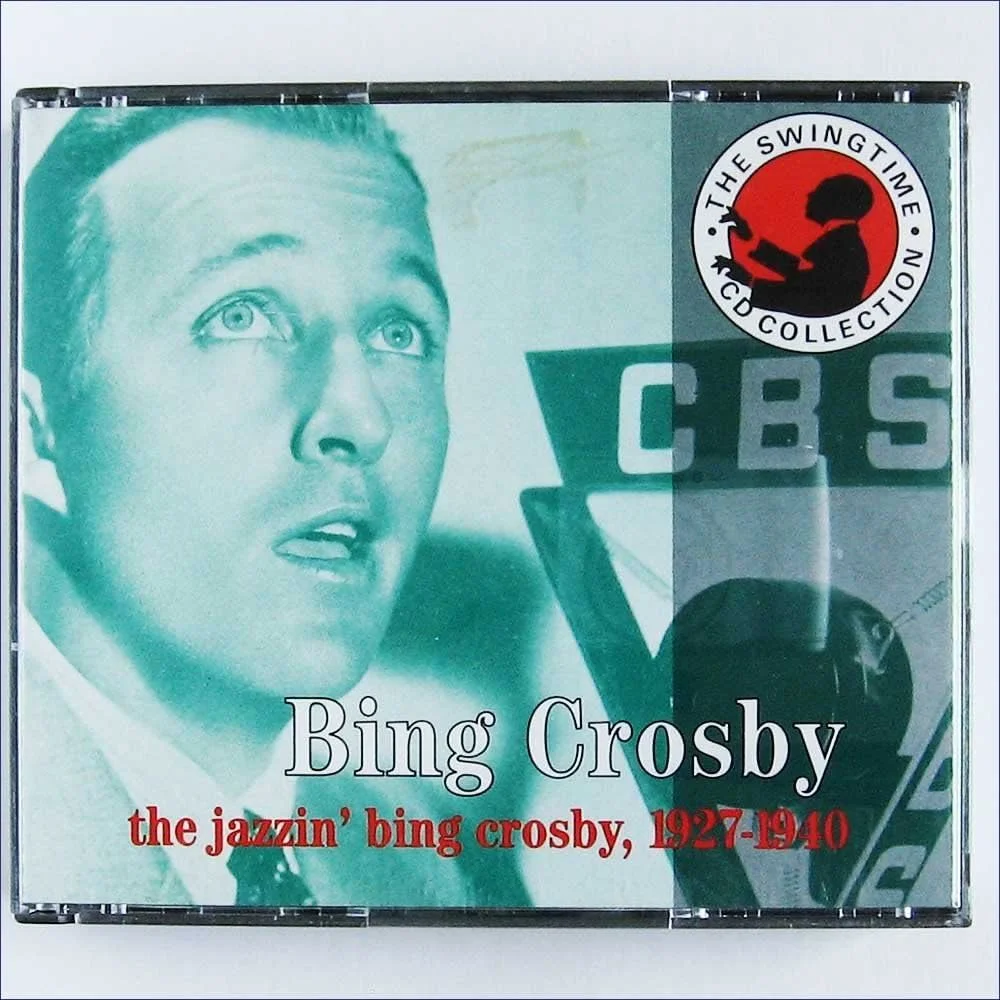
Bing Crosby might seem like an odd figure to include in this group, but he was not only a pioneer of the intimate “crooning” vocal style; he was also one of the first singers associated with so-called mainstream pop to integrate the influence of jazz especially in his sense of time, rhythm, and phrasing. He always acknowledged the profound influence Armstrong had on his singing and his style subsequently influenced future crooners ranging from Frank Sinatra to Johnny Hartman to Rosemary Clooney. Nat “King” Cole, a gifted pianist and composer who pioneered the jazz trio format, was also a masterful vocalist who was undoubtedly influenced by Armstrong and Crosby. His popularity as a musical and cultural figure translated the values of jazz to a mass audience.
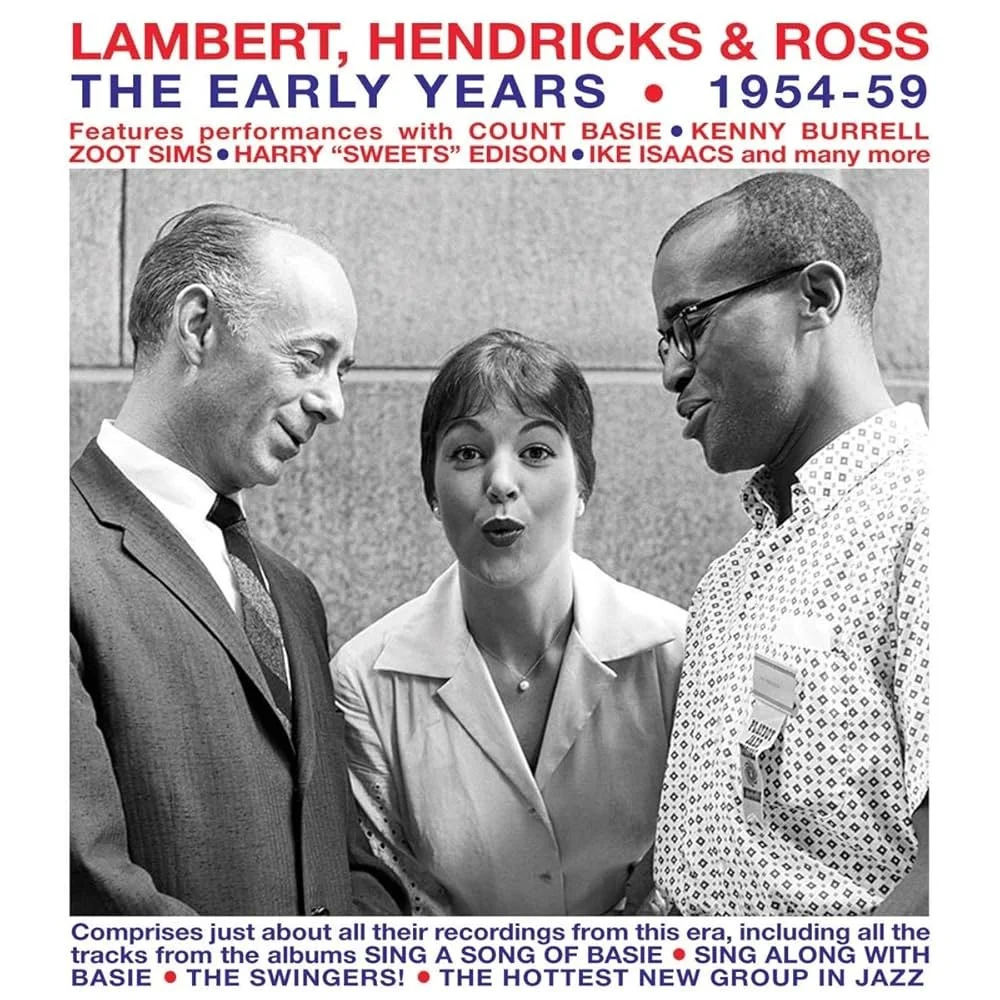
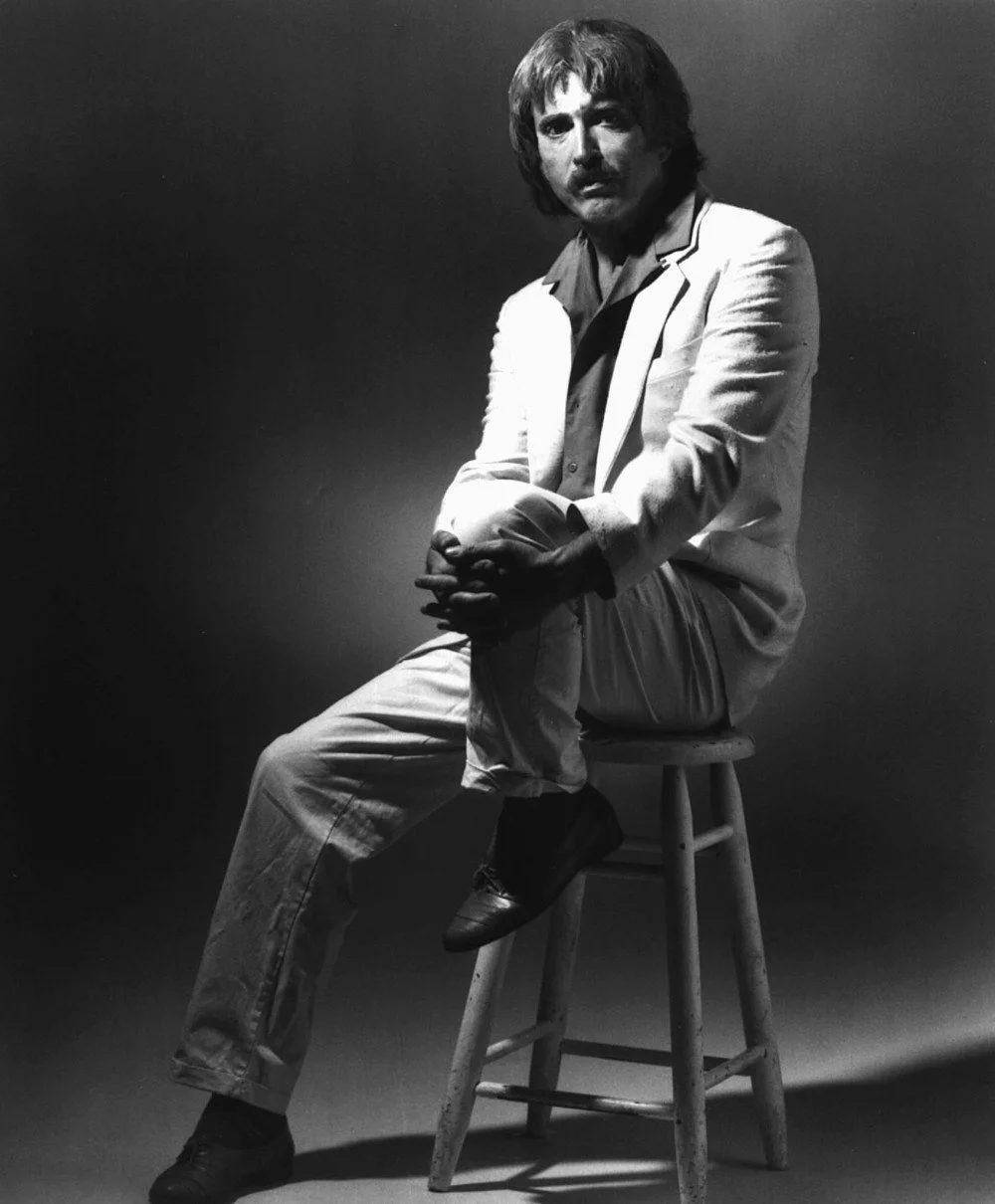
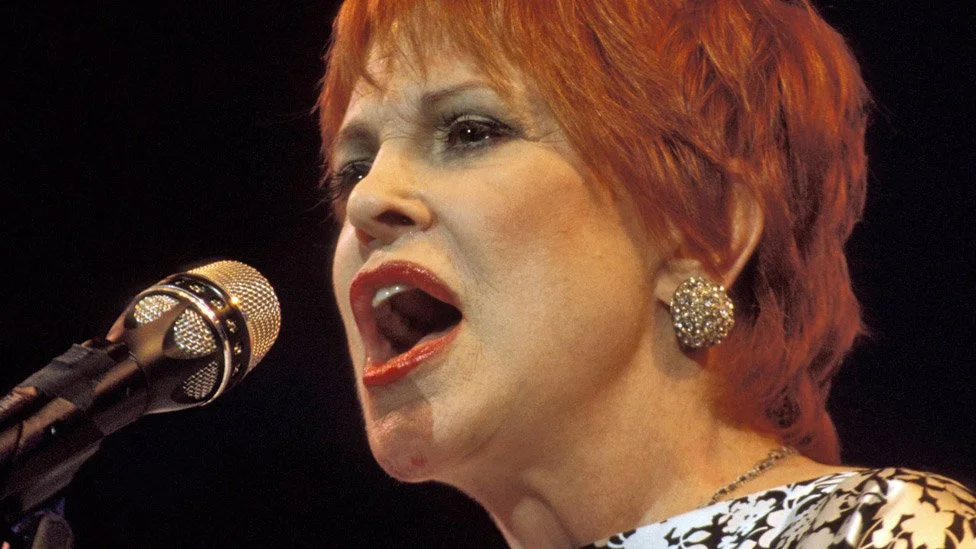
When musicians of the 1940s began exploring new approaches to improvisations, such as Dizzy Gillespie and Charlie Parker, vocalists soon followed. The bebop vocal approach pioneered by Sarah Vaughan and Billy Eckstine, placed the human voice at the center of the modern jazz revolution. This approach was extended through the bop-oriented approach of vocal super group Lambert, Hendricks & Ross and solo artists Betty Carter, Sheila Jordan, and Mark Murphy whose creative approach to improvisation drew from bebop, the avant-garde, and innovative instrumentalists. Their experimental approach pushed the boundaries of jazz and laid a foundation for generations of singers who have sought to emulate approach their sense of improvisational daring such as Nancy King, Kurt Elling, and Gretchen Parlato. The most recent pioneer featured in this group, Cassandra Wilson, is as indebted to Betty Carter as she is to Delta bluesmen like Robert Johnson and Joni Mitchell for helping her cultivate an original style that fuses interpretations from diverse origins with eclectic originals. An approach that opened new doors in terms of repertoire and tonal experimentation for vocal jazz.
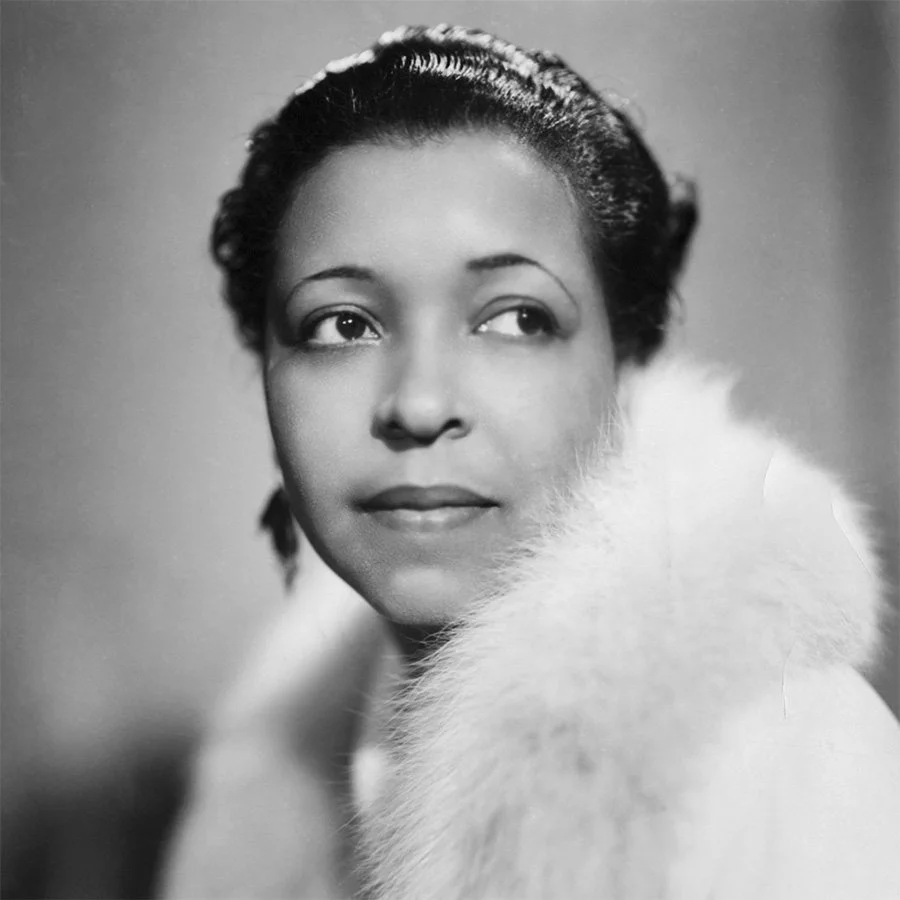
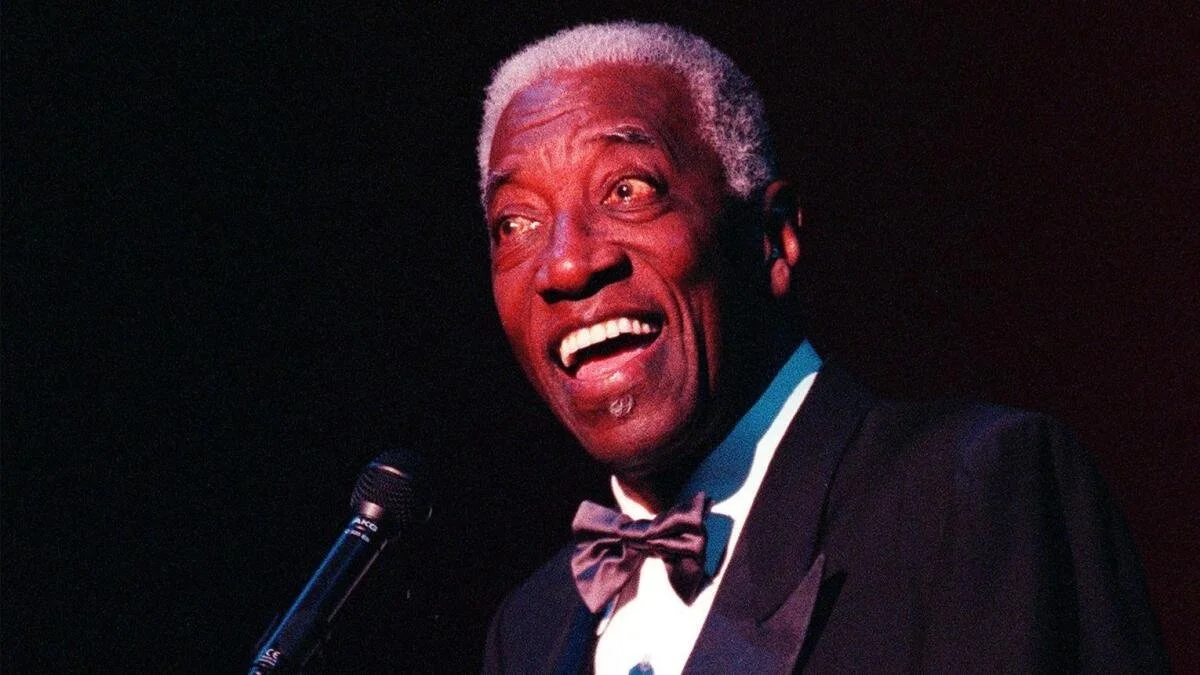
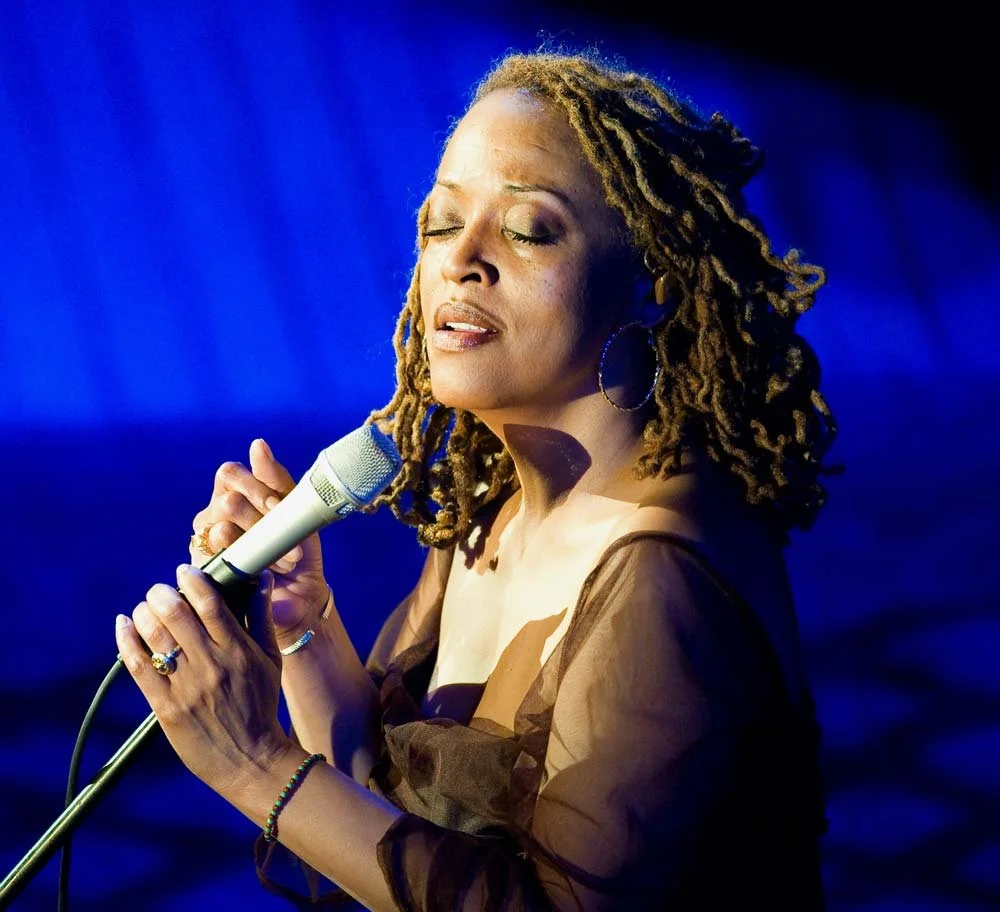
Ivie Anderson
Louis Armstrong
Mildred Bailey
Boswell Sisters
Cab Calloway
Betty Carter
Nat King Cole
Bing Crosby
Billy Eckstine
Ella Fitzgerald
Adelaide Hall
Jon Hendricks
Billie Holiday
Eddie Jefferson
Louis Jordan
Sheila Jordan
Lambert, Hendricks, and Ross
Carmen McRae
Mark Murphy
Annie Ross
Jimmy Rushing
Sarah Vaughan
Fats Waller
Dinah Washington
Ethel Waters
Joe Williams
Cassandra Wilson
A TOUCH OF THE BLUES
The blues are essential to the foundation of jazz as it was key to distinguishing the American approach to popular songwriting and playing from European popular forms such as operetta. Though Bessie Smith is more of a “classic blues” singers than a swinger or improviser her repertoire and vernacular style contributed mightily to jazz including pioneers like Ethel Waters and Billie holiday. Many of jazz's most important and influential vocalists are singers influenced by Blues oriented forms such as the classic blues style of the 1920 as well as later styles like jump blues and electric blues. The result are multiple generations of jazz singers whose improvisational approaches fuse diverse traditions, including crooning and bop, with blue inflections.
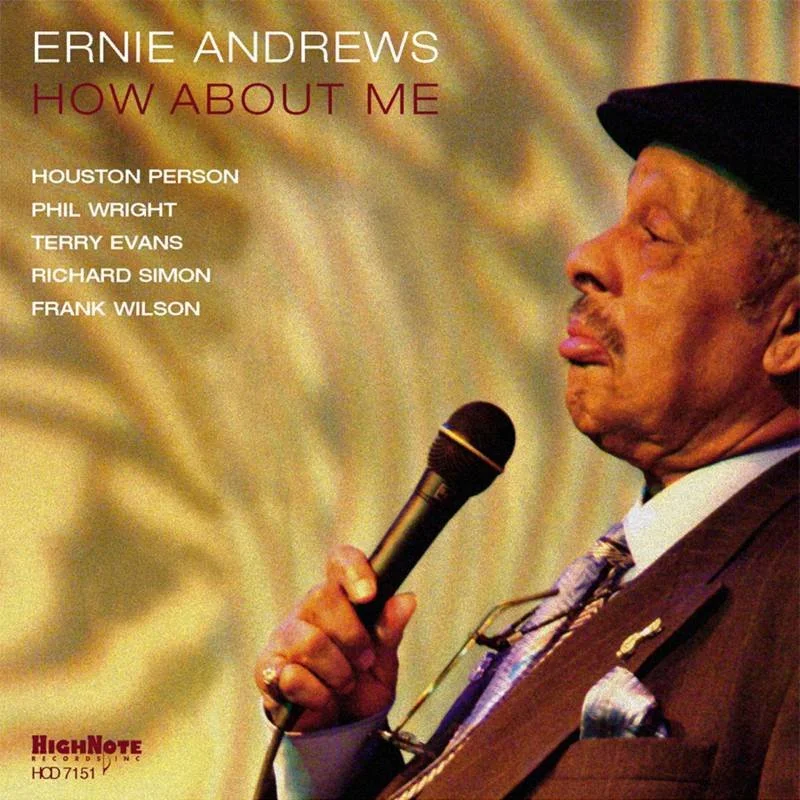
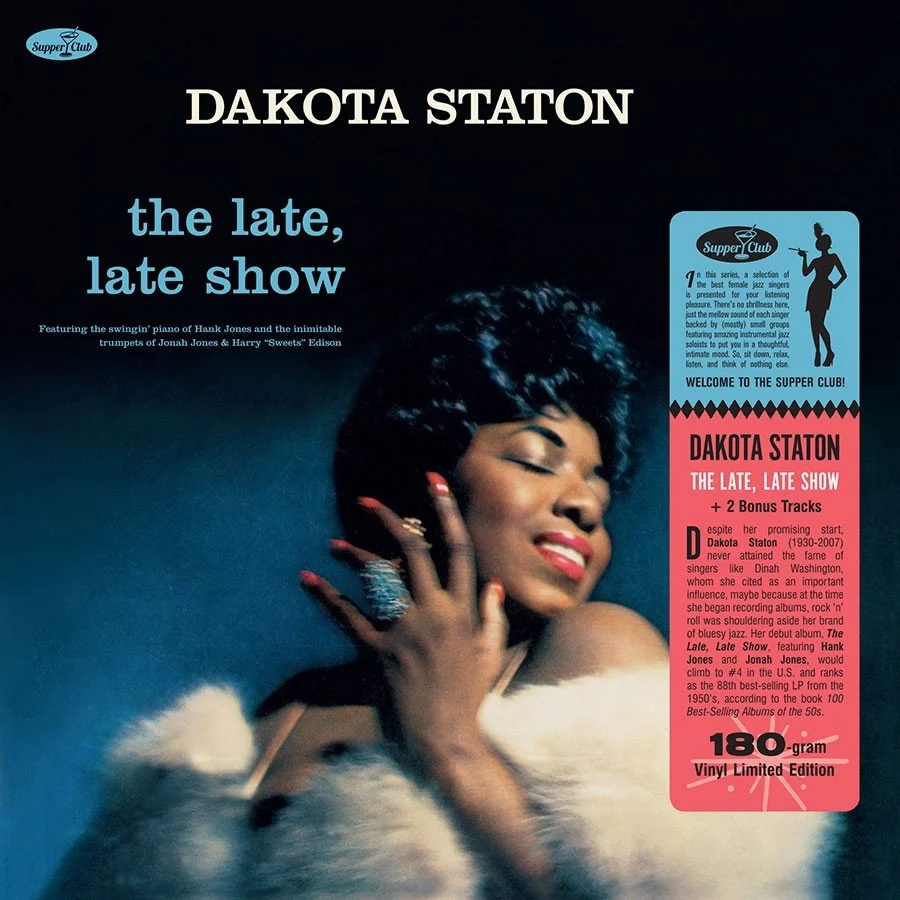
This group includes big band singers like former Basie-ite Helen Humes and Kansas City pianist composer and vocalist Julia Lee. As well as singers who began their careers during the post-bop era such as Ernestine Anderson, Ernie Andrews, and Dakota Staton who are comfortable singing a wide range of material and yet often manage to integrate aspects of the Blues quite deftly thus modeling the flexibility and adaptability of this style across genres. Some of the vocalists featured in this category also include singers who have reached popular audiences such as Etta James, a singer who recorded standards for many years before dedicating a significant portion of her career to recording in jazz-oriented settings such as her Grammy award-winning 1994 album Mystery Lady dedicated to Billie Holiday. Marlena Shaw broke through with soul anthems like “California Soul” and “Go Away Little Boy” but a blues sensibility also inflected her jazz-oriented recordings. Some key voices continually reminding audiences of the vitality of the blues include Cassandra Wilson, who has recorded songs by Robert Johnson and Son House, and Catherine Russell a masterful interpreter of vintage Blues who delved deep into the tradition on the Grammy-nominated album Harlem on My Mind. Blue is one of the many shades these wide-ranging artists employ.
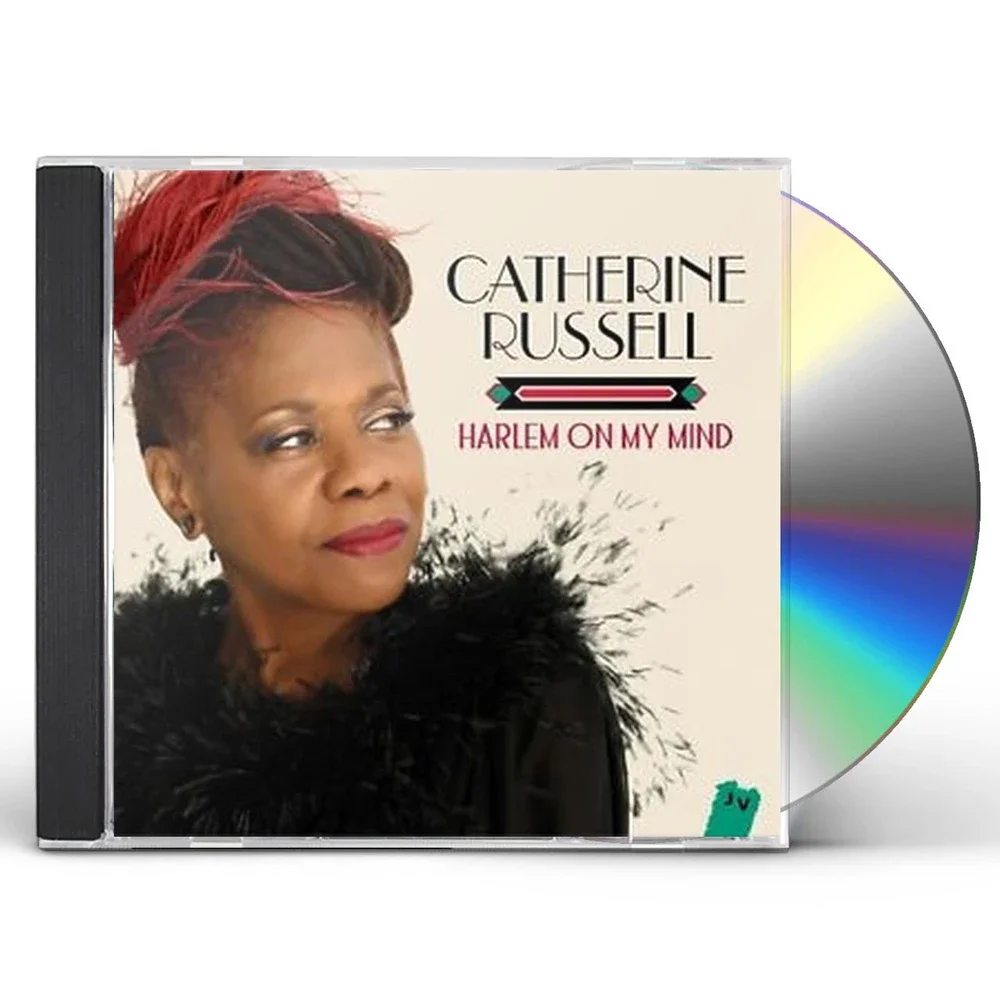
Ernestine Anderson
Ernie Andrews
Helen Humes
Etta James
Etta Jones
Julia Lee
Marlena Shaw
Catherine Russell
Dakota Staton
LEAN, PURPOSEFUL & SWINGING
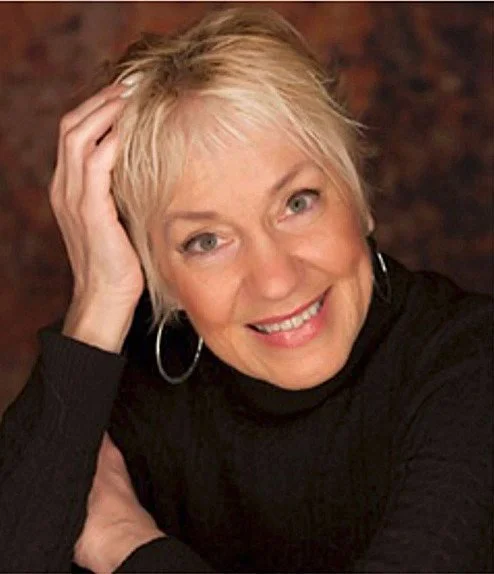
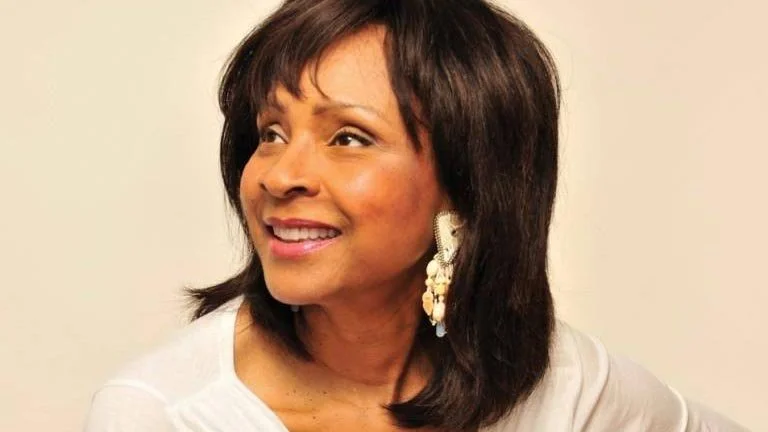
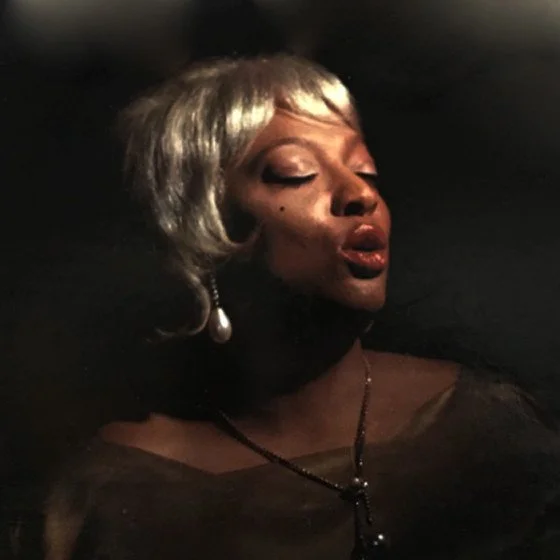
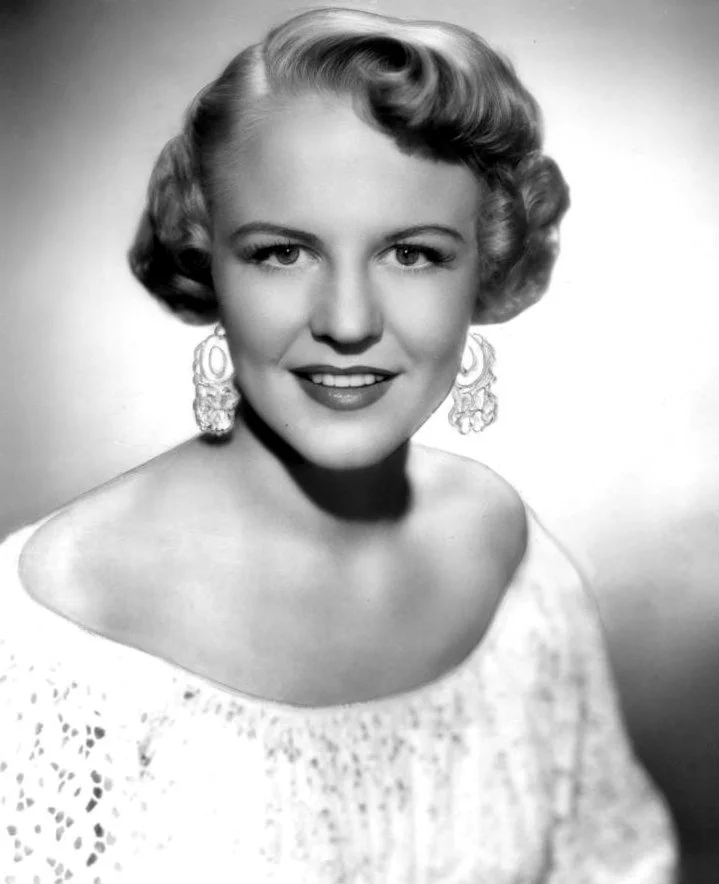
Vocalists more focused on highlighting the song than the singer are some of the most effective interpreters in the jazz tradition. This understated approach to interpretation downplays much of the overt improvisational flair commonly associated with jazz for a more streamlined but no less affecting approach. One centered on the melodic and rhythmic qualities of the song to amplify the impact of the lyrics. Lee Wiley, nicknamed “Southern Comfort” for her roots and warm vocal approach, pioneered the songbook album in the late 1930s and early 1940s which allowed her to showcase the eloquent songwriting of writers like Cole Porter and George and Ira Gershwin. Maxine Sullivan sang with various big bands in the 1930s and 1940s and though she had a modest vocal instrument she used it with great flexibility and intelligence an approach that inspired Peggy Lee who was a successful big band singer, soloist, and composer. Lorez Alexandria, who developed her style in Chicago’s musical scene inflected her lean, minimalist approach with aspects of blues and bop on a series of acclaimed sets from the early to mid-1960s. Following these singers several have embraced this approach including Mary Stallings, who began performing in the 1960s but primarily came into her own as a recording artist in the 1990s where her refined approach made her a critical favorite. Similarly, since the early 1990s, Becky Kilgore, a Portland-based singer beloved by musicians elevated the lean style through recording a series of acclaimed albums featuring insightful readings of standards from the 1920s-1940. She saluted Sullivan on two tribute albums that illustrated the ongoing relevance of this subtle, swinging, no-nonsense approach.
Lorez Alexandria
Rebecca Kilgore
Peggy Lee
Mary Stallings
Maxine Sullivan
Lee Wiley
CROONER JAZZ
Crooning is an intimate vocal style pioneered in the 1920s when microphone technology made it possible for vocalists to focus more on tone and phrasing over the volume-oriented style of vaudevillian singers. The result, pioneered by vocalists like Bing Crosby and Russ Columbo, remains a powerful influence on the way jazz-oriented singers approach a song. These vocalists are renowned for the distinct texture of their voices and the graceful way they approach their material, including the ability to enhance a phrase with swing. While several have formidable improvisational skills the dominant focus of their approach is to treat songs as intimate stories that create a unique aura. Johnny Hartman’s sensuous collaboration with John Coltrane, Nancy Wilson’s elegant dialogue with Cannonball Adderley, and Harry Connick Jr’s charming way with standards all represent the elegant dance possible between crooning and jazz.
Harry Connick Jr.
Johnny Hartman
Sue Raney
Nina Simone
Luciana Souza
Nancy Wilson
ALL-AROUND
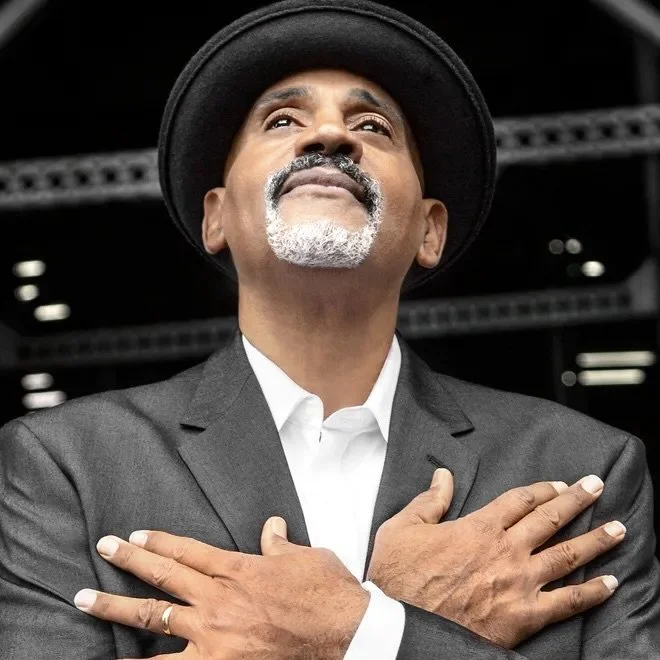
The biggest category on the is comprised of singers with no discernible limits in what they sing and how they sing. These singers croon, swing, improvise, and have explored everything from the blues to vocalese with razor sharp focus. A classic example is Mel Torme who recorded as a featured vocalist in the group the Mel-Tones then went solo making conceptual albums like his swinging tribute to Fred Astaire, a set of Latin pop, and adventurous live albums featuring intricate medleys and clever improvisations. His eclectic approach as a vocalist, arranger, composer, and instrumentalist makes it nearly impossible to categorize him. A more contemporary example is Dianne Reeves. She blended aspects of R&B, Brazilian music, and jazz early in her career and then took various detours including composing an album of mostly original topical songs (Art & Survival), saluting Sarah Vaughan’s repertoire (The Calling), recording a swing-oriented film soundtrack (Goodnight and Good Luck), and periodically releasing dynamic live albums where the scope of her artistry is on full display. These are artists a listener could easily obsess over because each has a rich discography defined by a sense of curiosity and adventure.
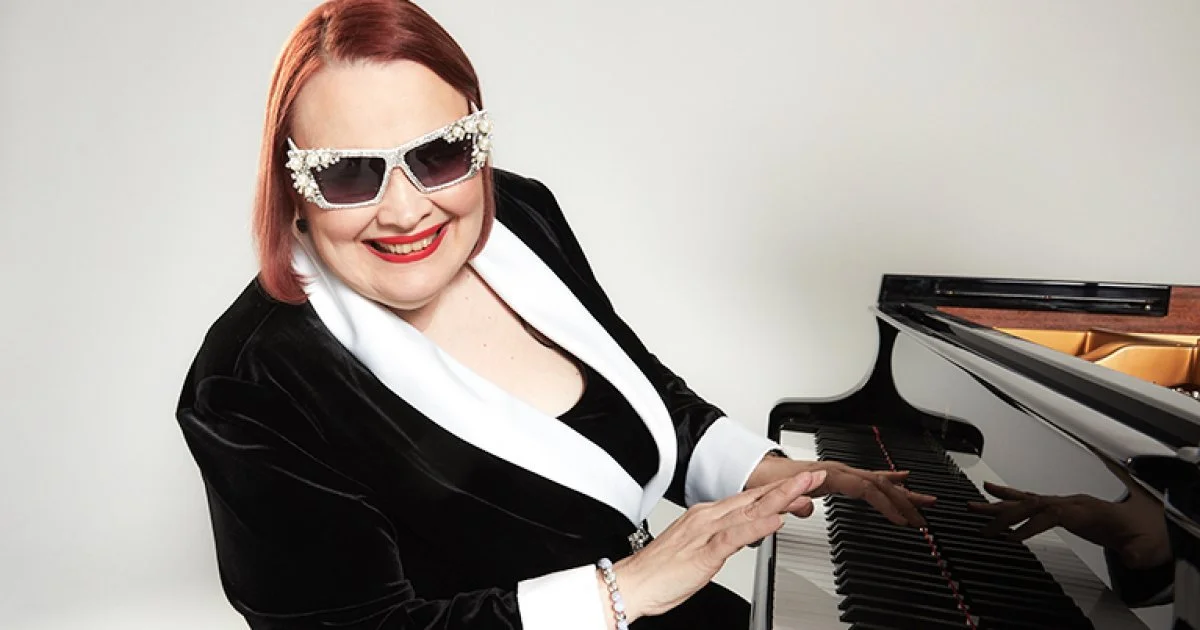
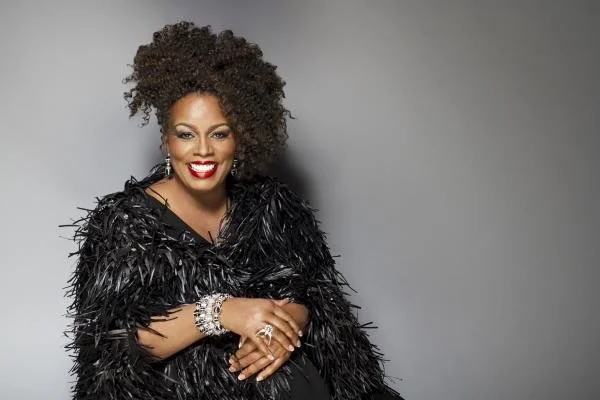
Cyrille Aimee
Leny Andrade
Patti Austin
Ann Hampton Callaway
Holly Cole
Natalie Cole
Carol Fredette
Nnenna Freelon
Champian Fulton
Roberta Gambarini
Allan Harris
Bill Henderson
Stacey Kent
Cleo Laine
Ranee Lee
Gloria Lynne
Manhattan Transfer
Janis Mann
Karen Marguth
Claire Martin
Maria Muldaur
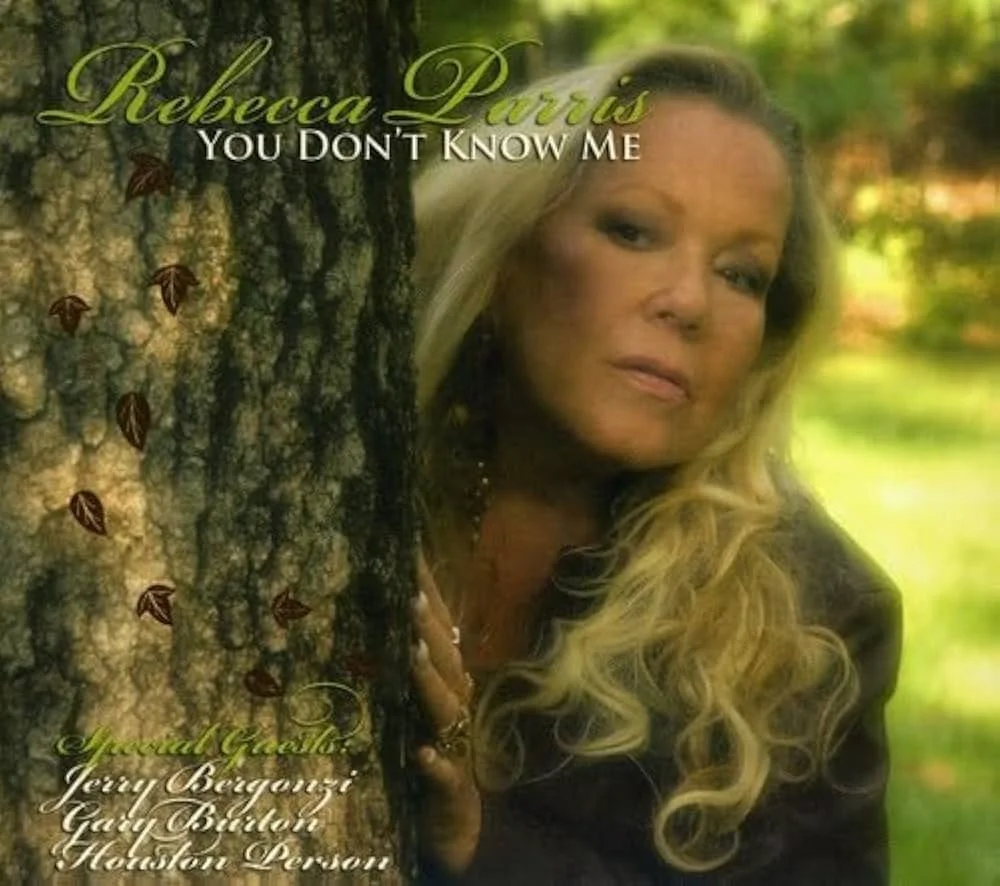
Rebecca Parris
Dianne Reeves
Rita Reys
Jackie Ryan
Diane Schuur
Ian Shaw
Janis Siegel
Carol Sloane
Mel Torme
Roseanna Vitro
DAREDEVILS
The highest compliment jazz instrumentalists can give vocalists is to view them as fellow musicians. Each of these singers, regardless of whether they play an instrument or compose original songs, has met this standard. They have done so largely through repeatedly stretching the melodic, harmonic, and rhythmic boundaries of songs in exciting directions requiring a deep connection to their material and mastery of jazz technique. From the avant-garde vocal experiments of Jay Clayton to the fierce solos Dee Dee Bridgewater has authored on a range of song, notably the jazz funk of Horace Silver, these singers are masters of scat capable of reshaping songs into something exciting and previously unheard.
Karrin Allyson
Dee Dee Bridgewater
Jay Clayton
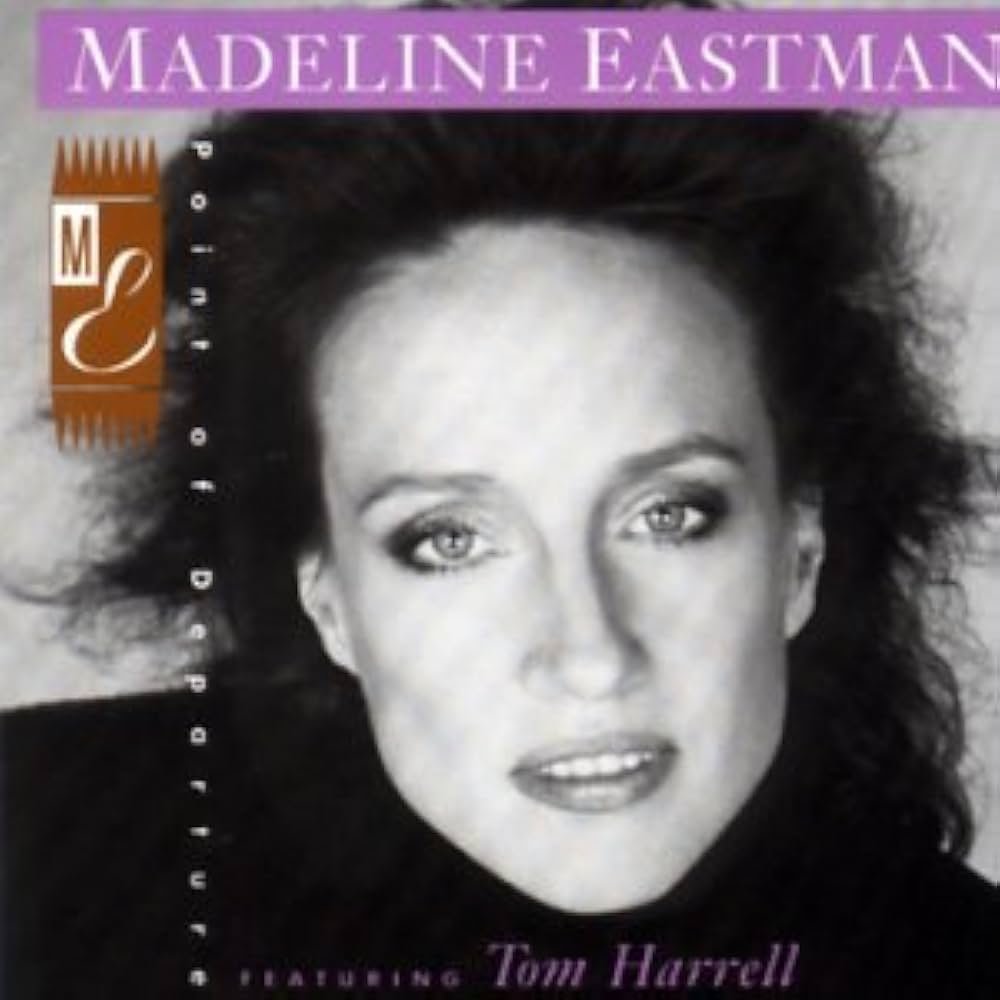
Madeline Eastman
Kurt Elling
Nancy King
Kevin Mahogany
Kitty Margolis
Tania Maria
Anita O’Day
Gretchen Parlato
Flora Purim
Tierney Sutton
CONVERGENT GENERATION
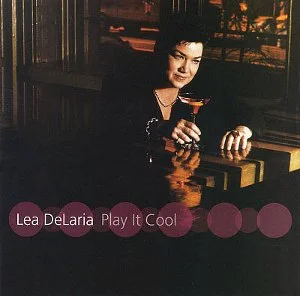
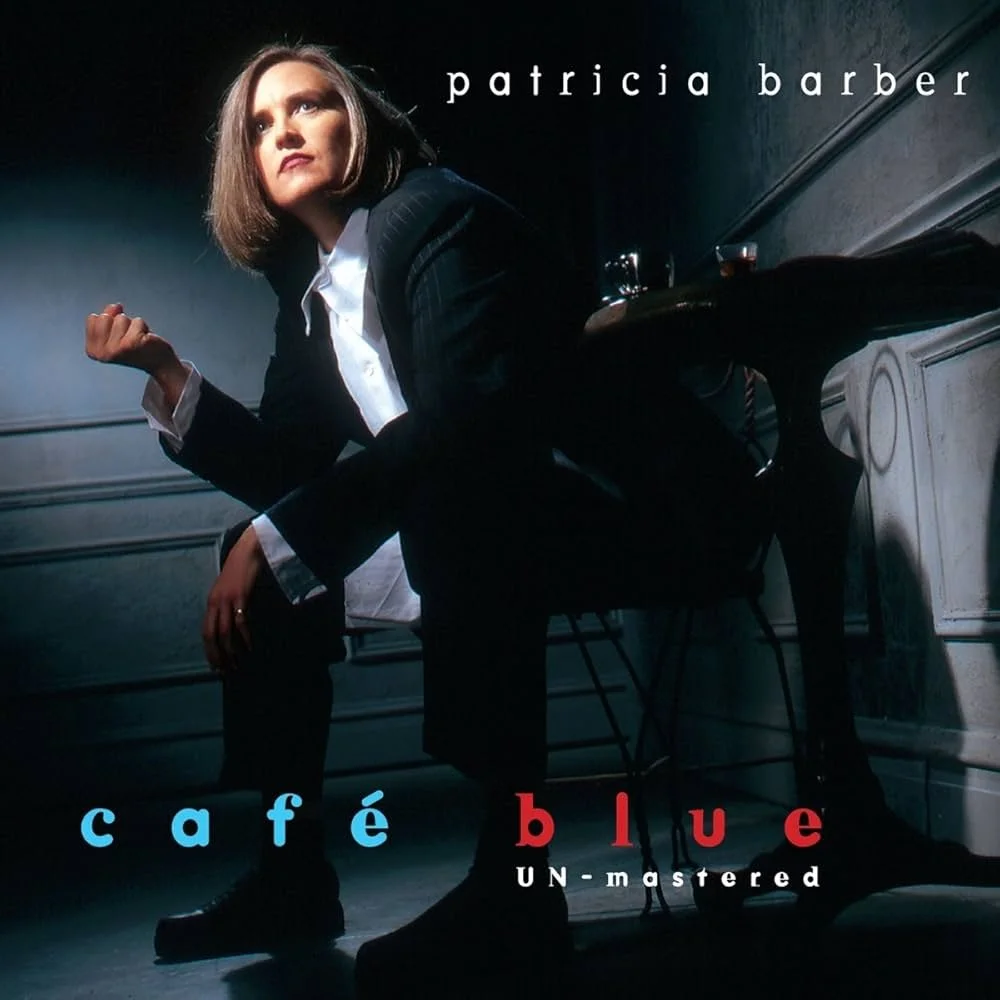
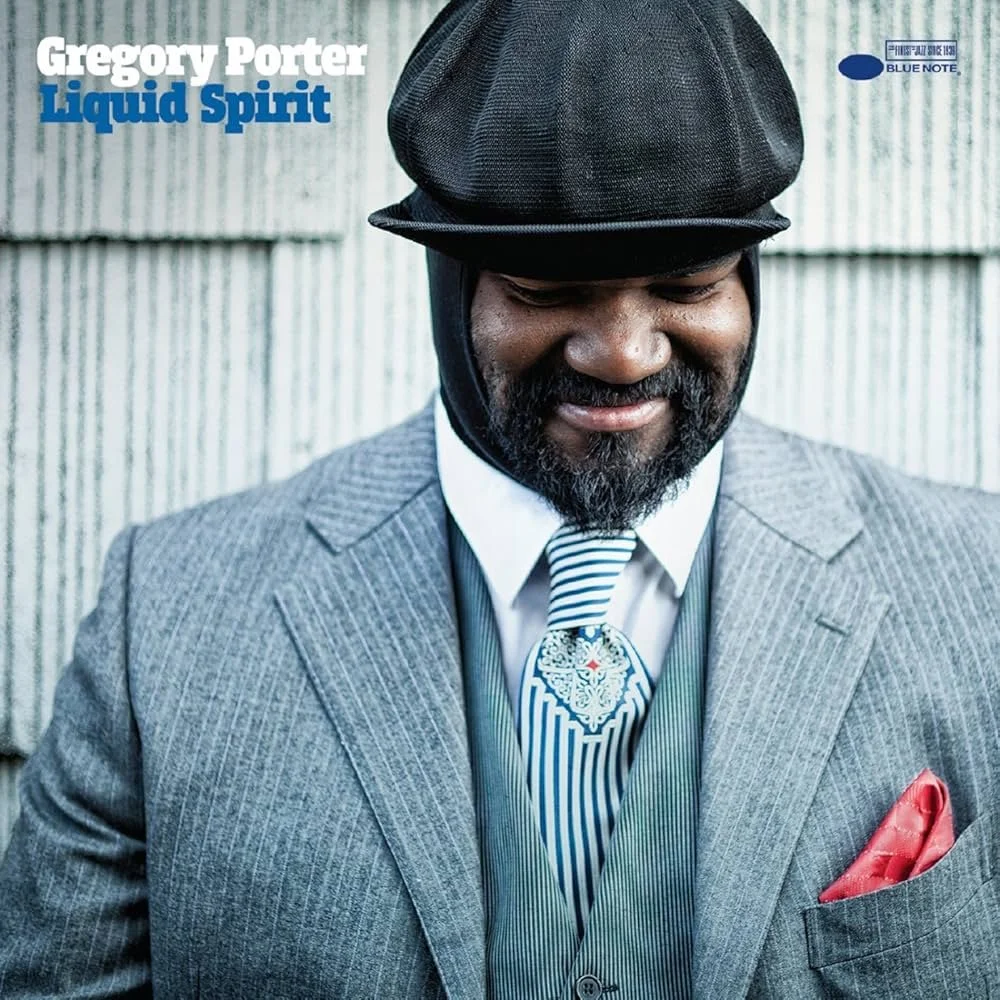
Each of these vocalists could probably fit into the “all around” or “composer” categories but I classify them as “convergent” to capture they blend of newer, older, and original songs and styles. Almost all are as notable for signing originals as they are for interpreting standards. Even then, they have found creative ways to expand the contours of jazz through repertoire rebellion. The remarkable Café Blue (1994) which juxtaposed remarkable original songs and instrumentals, a multi-tracked Virginia Woolf poem, and a stripped version of Bobbie Gentry’s “Ode to Billie Joe” introduced me to Barber, a vocalist, composer, pianist, and leader. Gregory Porter has emerged as the most exciting man in jazz thanks to bold album suites of blending original gospel and soul inflected musings on his life with songs as varied as “Black Nile” and “The ‘In’ Crowd.” These progressive vocalists defy expectations as a matter of course and continually push the boundaries of the form.
Patricia Barber
Lea DeLaria
Jazzmeia Horn
René Marie
Cecile McLorin Salvant
Gregory Porter
Esperanza Spalding
Lizz Wright
SENSUAL & SPACIOUS
Mature, refined music takes its time. Each of these artists take their time with a song using time, space, and phrasing in measured, purposeful ways that allows songs to breathe. Whether it’s slowing a song’s tempo (hear Susannah McCorkle’s versions of “Where or When” and “There’s No Business like Show Business”) or singing defiantly behind the beat (every Jimmy Scott ballad) their approach makes the familiar less familiar in the best ways. Though several of the singers, such as Bey and Horn, are highly capable of athletic scat solos and can swing hard, their most memorable music simmers and holds you close. You might have to turn up the volume to take in nuances but you won’t mind.
Andy Bey
Freddy Cole
Meredith D’Ambrosio
Blossom Dearie
Shirley Horn
Irene Kral
Susannah McCorkle
Jimmy Scott
Norma Winstone
COMPOSERS
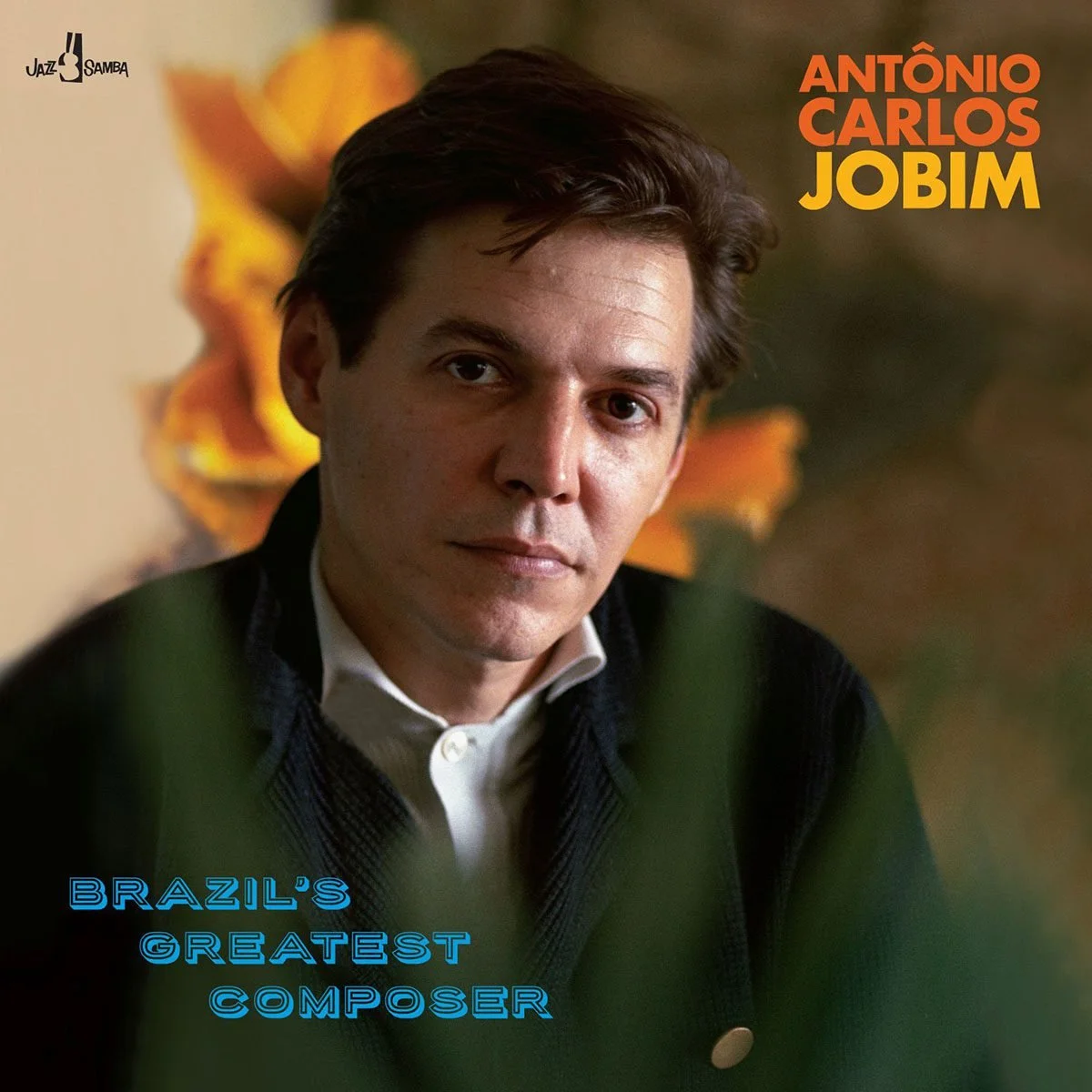
Songs became “standards” because their appealing melodies literate lyrics, harmonic flexibility, and rhythmic possibilities lent themselves to interpretation. Inspired by the “standards” and willing to create new ones informs my list of composers. Each of these artists has a unique story. For example, Abbey Lincoln was a successful jazz crooner in the late 1950s before she delved into her artistry more deeply, developed a political consciousness, and began focusing more on composing than singing. Comparatively, Jobim formally trained composer whose music caught on during the bossa nova wave of the 1960s which made him an international figure. This mix of artists is united by a love for jazz and their role composing songs interpreted by jazz artists.
Oscar Brown Jr.
Bob Dorough
Lorraine Feather
Dave Frishberg
Antonio Carlos Jobim
Abbey Lincoln
Carmen Lundy
Milton Nascimento
COOL
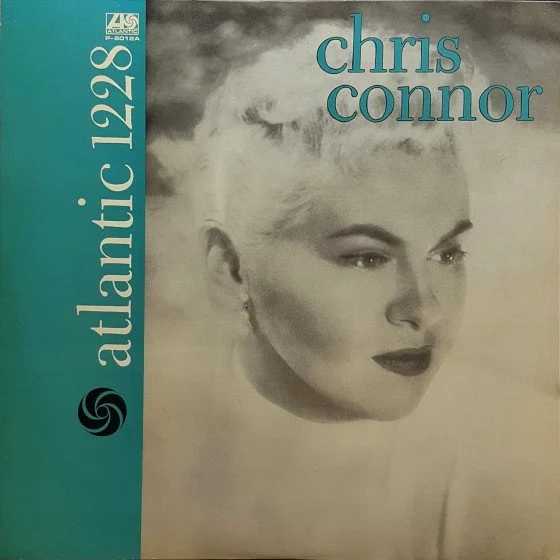
In the early 1950s vocalists inspired by the “cool” sounds of west coast jazz began expressing themselves in an understated, minimalist style defined by highly precise phrasing, a dramatic, often anticipatory tone, and minimal vibrato. Arguably pioneered by Maxine Sullivan, Lee Wiley, and Peggy Lee in the 1930s and 1940s, the style is associated with Christy, Connor and Merrill and encapsulated by the anthemic slice of drama by Christy “Something Cool.” Elements of the style can be heard in the sound of pop crooner Julie London and contemporary singers like Patricia Barber and Diana Krall.
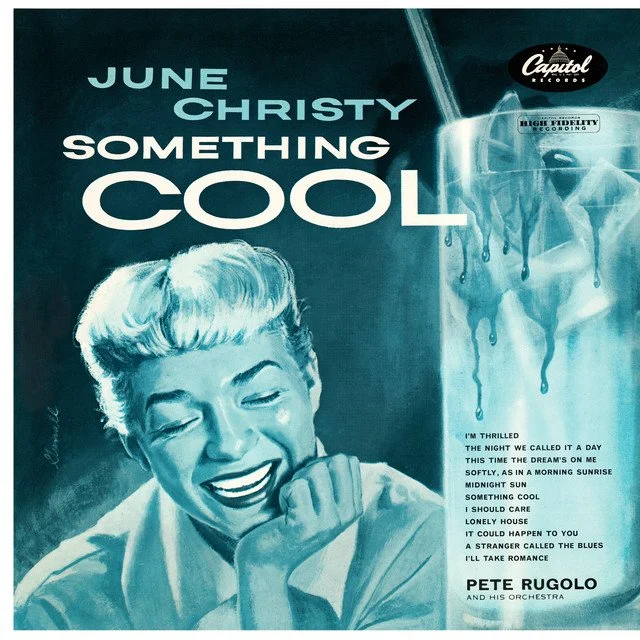
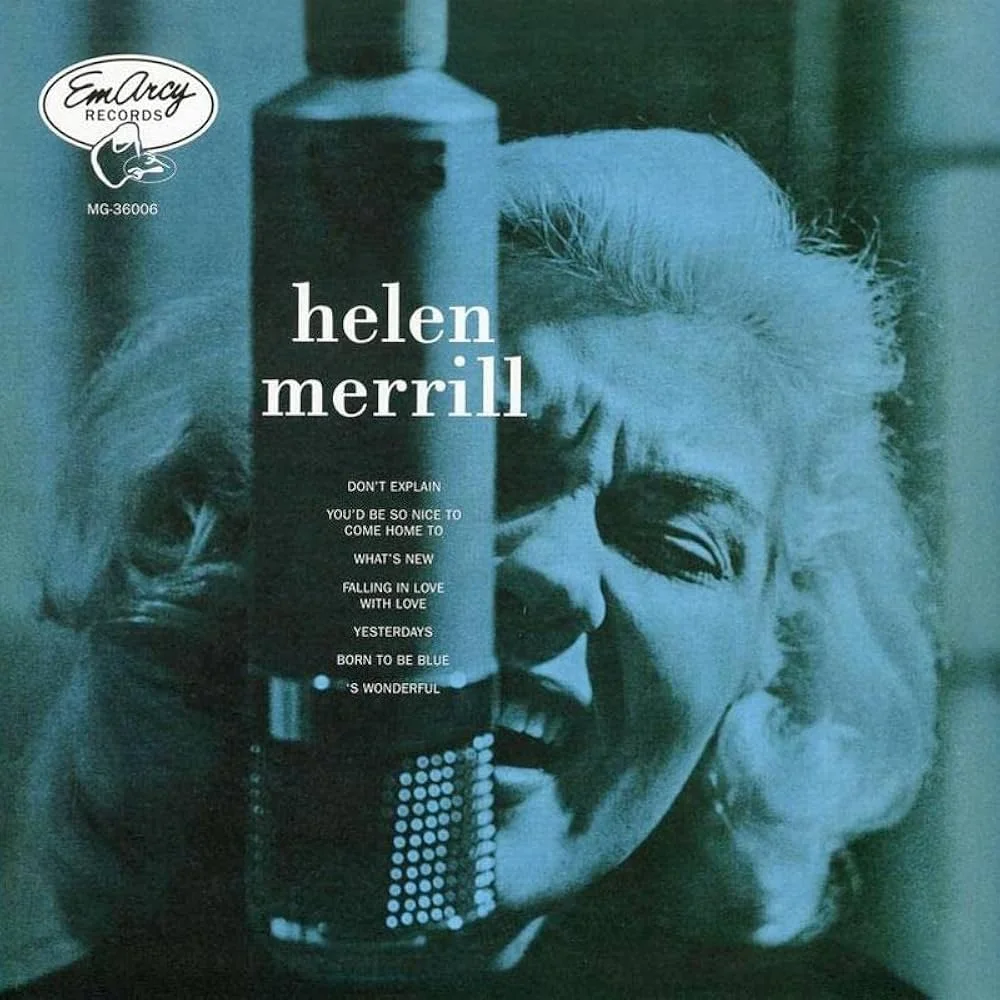
June Christy
Chris Connor
Helen Merrill
***************************************************************************************************************
120 Artists for your Vocal Jazz Library
Below I list a few recordings I recommend you begin listening to for each artist. For regular albums I have generally selected albums that best represent the artist’s style, especially in a jazz-oriented, improvisational context. For example, many jazz artists showcase their talents most effectively in live settings. My recommendations for artists who began recording prior to the “albums era” of the 1950s, such as big band-oriented singers like Mildred Bailey and Ethel Waters, are primarily compilations of the various singles or “sides” they recorded. Some artists were so prolific during their careers two albums can only scratch the surface, so the recommendation is intended as a taste intended to inspire listeners to explore a fuller menu of their offerings.
The list blends albums and compilation available on streaming services but some are only available on CD so you might have to do some sleuthing. For widely anthologized artists (e.g., Louis Armstrong, Peggy Lee) you can find similar groupings of songs from multiple sources so the anthologies I recommend are often my preferred ones but the songs but easily duplicated via a playlist or different anthologies.
*Anthologies, boxed sets, and compilations are italicized
At the bottom of the list you will find a playlist featuring a “sampler” of 35 representative tracks!
1. Cyrille Aimee--Live; Let’s Get Lost (Cyrille Aimee)
2. For Swingers Only; Alexandria the Great (Lorez Alexandria)
3. Sweet Home Cookin’; Ballads: Remembering John Coltrane (Karrin Allyson)
4. When the Sun Goes Down; A Perfect Match (Ernestine Anderson)
5. The Ivie Anderson Collection 1932-46 (Ivie Anderson)
6. A Sensação; Maiden Voyage (Leny Andrade)
7. Live Session! Cannonball Adderley with the New Exciting Voice of Ernie Andrews (Ernie Andrews)
8. An American Icon; Cheek to Cheek: The Complete Duet Recordings (Louis Armstrong)
9. Avant Gershwin; For Ella 2 (Patti Austin)
10. Complete Columbia Recordings Vols. 1 & 2 (Mildred Bailey)
11. Café Blue; Verse (Patricia Barber)
12. Shades of Bey; American Song (Andy Bey)
13. The Boswell Sisters Collection (Boswell Sisters)
14. Love and Peace: A Tribute to Horace Silver; Elemental (Dee Dee Bridgewater)
15. Sin & Soul (Oscar Brown Jr.)
16. To Ella with Love; From Sassy to Divine: The Sarah Vaughan Project (Ann Hampton Callaway)
17. Cab Calloway and His Orchestra Volume 1: The Early Years 1930-1934 (Cab Calloway)
18. The Audience with Betty Carter; Feed the Fire (Betty Carter)
19. Something Cool; The Misty Miss Christy (June Christy)
20. Beautiful Love; In and Out of Love (Jay Clayton)
21. Live at Vartan Jazz; The Dreamer in Me (Freddy Cole)
22. Blame it On My Youth; Holly Cole (Holly Cole)
23. Nat King Cole (Nat King Cole)
24. Take a Look; Stardust (Natalie Cole)
25. Music from the Picture When Harry Met Sally; Songs I Heard (Harry Connick Jr.)
26. At the Village Gate; The London Connection (Chris Connor)
27. The Jazzin’ Bing Crosby, 1927-40 (Bing Crosby)
28. South to a Warmer Place; Shadowland (Meredith D’Ambrosio)
29. Our Favorite Songs; Verve Jazz Masters 51 (Blossom Dearie)
30. Play it Cool; The Live Smoke Sessions (Lea DeLaria)
31. Devil May Care; Just About Everything (Bob Dorough)
32. Mad About Madeline! ; Can You Hear Me Now (Madeline Eastman)
33. Legendary Big Band [Savoy]; No Cover, No Minimum (Billy Eckstine)
34. Main in the Air; Nightmoves (Kurt Elling)
35. New York City Drag; Café Society (Lorraine Feather)
36. Ella in Rome; Ella Sings the George and Ira Gershwin Songbook (Ella Fitzgerald)
37. In the Shadows; Everything I Need: Carol Fredette Sings Dave Frishberg and Bob Dorough Carol Fredette
38. Time Traveler (Nnenna Freelon)
39. Classics (Dave Frishberg)
40. After Dark; The Stylings of Champian (Champian Fulton)
41. Easy to Love; You Are There (Roberta Gambarini)
42. A Centenary Celebration (Adelaide Hall)
43. Here Comes Allan Harris; The Genius of Eddie Jefferson (Allan Harris)
44. John Coltrane and Johnny Hartman; This One’s for Tedi (Johnny Hartman)
45. Señor Blues: Complete Recordings 1958-1961 (Bill Henderson)
46. Freddie Freeloader (Jon Hendricks)
47. Lady Day: The Master Takes and Singles; The Complete Commodore and Decca Masters (Billie Holiday)
48. A Social Call; Messages (Jazzmeia Horn)
49. Close Enough for Love; I Remember Miles (Shirley Horn)
50. Songs I Like to Sing!; Helen (Helen Humes)
51. The Jazz Singer (Eddie Jefferson)
52. Mystery Lady: Songs of Billie Holiday; Time After Time (Etta James)
53. The Man from Ipanema (Antonio Carlos Jobim)
54. The Best of the Prestige Singles; Doin’ What She Does Best (Etta Jones)
55. Best of Louis Jordan (Louis Jordan)
56. Portrait of Sheila; I’ve Grown Accustomed to the Bass (Sheila Jordan)
57. Breakfast on the Morning Train; Tenderly (Stacey Kent)
58. The Starlit Hour; Together Live (Rebecca Kilgore)
59. Live at Jazz Standard (Nancy King)
60. Kral Space; Second Chance (Irene Kral)
61. That Old Feeling; Blue and Sentimental (Cleo Laine)
62. Twisted: The Best of Lambert, Hendricks & Ross (Lambert, Hendricks, and Ross)
63. Kansas City’s First Lady of the Blues (Julia Lee)
64. Miss Peggy Lee; Miss Peggy Lee Sings the Blues (Peggy Lee)
65. Just You, Just Me (Ranee Lee)
66. You Gotta Pay the Band; A Turtle’s Dream (Abbey Lincoln)
67. Self Portrait; Modern Ancestors (Carmen Lundy)
68. The Greatest Hits; From My Heart to Yours (Gloria Lynne)
69. You Got What It Takes; Pride and Joy (Kevin Mahogany)
70. The Manhattan Transfer Anthology: Down in Birdland (Manhattan Transfer)
71. Blow Away; Celestial Anomaly (Janis Mann)
72. Evolution; Heart & Soul (Live in San Francisco) (Kitty Margolis)
73. Karen Marguth; Just You, Just Me (Karen Marguth)
74. Piquant; Come with Me (Tania Maria)
75. Serene Renegade; Voice of My Beautiful Country (René Marie)
76. The Waiting Game; Off BEAT: Live at Ronnie Scott’s Jazz Club (Claire Martin)
77. No More Blues; Let’s Face the Music (Susannah McCorkle)
78. WomanChild; For One to Love (Cecile McLorin Salvant)
79. I’ll Be Seeing You-A Tribute to Carmen McRae; The Great American Songbook (Carmen McRae)
80. Helen Merrill; Clear Out of This World (Helen Merrill)
81. A Woman Alone with the Blues (Remembering Peggy Lee); Naughty Bawdy & Blue (Maria Muldaur)
82. Stolen…and Other Moments; Jazz Standards (Mark Murphy)
83. The Essential Collection: The Best of the EMI Odeon Years (1969-78) (Milton Nascimento)
84. Anita O’Day Sings the Winners (Anita O’Day)
85. Flor; Lean In (Gretchen Parlato)
86. It’s Another Day; You Don’t Know Me (Rebecca Parris)
87. Be Good; All Rise (Gregory Porter)
88. 500 Miles High (Flora Purim)
89. In Good Company (Sue Raney)
90. I Remember; A Little Moonlight (Dianne Reeves)
91. The Cool Voice of Rita Reys; The American Songbook (Rita Reys)
92. Sings a Song with Mulligan! ; A Gasser (Annie Ross)
93. The Best of Jimmy Rushing with the Count Basie Orchestra; Essential Jimmy Rushing (Jimmy Rushing)
94. Bring it Back; Harlem on My Mind (Catherine Russell)
95. You and the Night and the Music; Doozy (Jackie Ryan)
96. Timeless; I Remember You [with Love to Stan and Frank] (Diane Schuur)
97. Falling in Love is Wonderful; All the Way (Jimmy Scott)
98. Drawn to All Things; A Ghost in Every Bar (Ian Shaw)
99. It is Love Recorded Live at Vine Street; Dangerous (Marlena Shaw)
100. Short Stories; A Thousand Beautiful Things (Janis Siegel)
101. Little Girl Blue; Four Women: The Nina Simone Philips Recordings (Nina Simone)
102. Love you Madly; When I Look in Your Eyes (Carol Sloane)
103. Brazilian Duos; North and South (Luciana Souza)
104. Esperanza; 12 Little Spells (Esperanza Spalding)
105. Spectrum; Live at the Village Vanguard (Mary Stallings)
106. The Complete Eary Years (1955-1958) (Dakota Staton)
107. Tribute to Andy Razaf; Swingin’ Sweet (Maxine Sullivan)
108. I’m with the Band; American Road (Tierney Sutton)
109. Mel Tormé with The Marty Paich Dek-Tette; Mel Torme Sings Fred Astaire (Mel Torme)
110. Divine: The Jazz Albums, 1954-1958; Live in Japan (Sarah Vaughan)
111. Softly; Tropical Postcards (Roseanna Vitro)
112. If You Got to Ask, You Ain’t Got It! (Fats Waller)
113. First Issue: The Dinah Washington Story; Back to the Blues (Dinah Washington)
114. Her Best Recordings (1921-1940) (Ethel Waters)
115. Follow Your Heart (Lee Wiley)
116. Count Basie Swings, Joe Willams Sings; Every Night—Live at Vine St. (Joe Williams)
117. Blue Light Til’ Dawn; Belly of the Sun (Cassandra Wilson)
118. Ballads, Blues & Big Bands: The Best of Nancy Wilson (Nancy Wilson)
119. Somewhere Called Home; Songs & Lullabies (Norma Winstone)
120. Dreaming Wide Awake; Grace (Lizz Wright)
COPYRIGHT © 2026 VINCENT L. STEPHENS. ALL RIGHTS RESERVED.