Verse, Chorus, Bridge, & Outro: Four brief meditations on songwriting
Verse 1: How to choose “the best”?
On April 27, 2026 ,the New York Times published a predictably controversial story on the “30 Greatest Living American Songwriters” (https://www.nytimes.com/interactive/2026/magazine/greatest-american-songwriters-alive.html). The list was very eclectic and included a range of writers such as Fiona Apple, Mariah Carey, Kendrick Lamar, Romeo Santos, and Lucinda Williams to list a few. While there were obvious stalwarts such as Bob Dylan and Stevie Wonder many people were perplexed at the list excluding renowned songwriters like Billy Joel, Donald Fagen, Tom Waits, and Beyoncé to name a few.

The Times’ methodology involved polling 250 songwriters to share their favorite songwriters and then a group of six music and cultural critics parsed that list and ultimately paired it down to 30 choices from the original 25 choices. You can find a video of the Times critics discussing their selection process on YouTube at the following link: https://www.youtube.com/watch?v=Hc1ARmtVwFg&t=923s
I regularly publish lists on this blog and always find these lists intriguing because the parameters can vary so wildly. Their list made me revisit reasoning behind my April 17, 2021, list “Love, hate, acceptance, rejection, and curiosity: 76 most influential songwriters.” (Love, hate, acceptance, rejection, and curiosity: 76 most influential songwriters — Riffs, Beats, & Codas) My list differs greatly from the Times list by lacking limits on time span, genre or nationality. There's nothing original about making lists but clarifying my approach is important because lists of “best” and “greatest” are vague by design.
Whereas the Times focused a lot on songwriters who perform their own material such as Outkast and Taylor Swift, I primarily focused on songwriters whose songs have inspired multiple interpretations. As a fan of interpretive singers, I am very drawn to songwriters whose material has long transcended a singular performer, or the original film or play musical it originated from and intrigued by the songs artists choose to revisit. Based on my interests the list includes legends like Lennon and McCartney and Ashford and Simpson as well as Duke Ellington and Billy Strayhorn, Cole Porter, and Stephen Sondheim whose catalogs pervade popular music.
In the critical universe biases are an integral component of taste itself not necessarily a limitation. Having preferences means enjoying certain types of music over others. One huge difference between my list and the Times relates to my perception of songwriting compared to record making or producing.
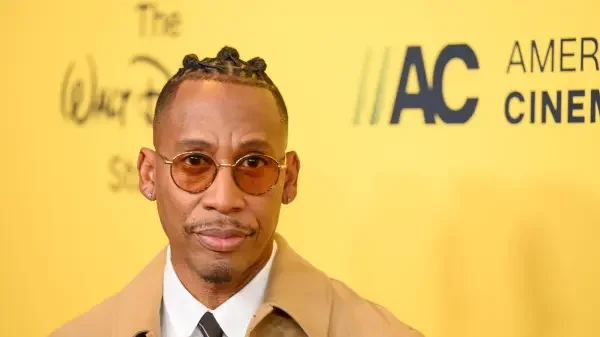
As a songwriter, and producer, for Tony! Toni! Tone!, various artists, film and TV, and himself Raphael Saadiq is one of popular music’s most accomplished and influential songwriters.
For example, I view hip-hop more of a recording and production focused genre where the songwriting is inseparable from the record-oriented focus. Hip-hop composers are more likely to synthesize a range of different beats and sounds and attune them to what is popular in the moment than to focus on building repertory for other vocalists. Hip-hop songs are also rarely covered or interpreted by performers beyond the original recording artist. The types of songs written by professional songwriters or songwriters whose songs are intentionally written for interpretation differ from songs dependent on riffs and beats sampled from other songs. None of this negates the prolific songwriters in hip-hop, it just acknowledges that many are producers and arrangers as much as they are traditional songwriters.
Many readers might say that it’s a very biased and narrow way of thinking about songwriting, and that I should expand my parameters. And I don't necessarily disagree with that assessment. By acknowledging this I push against the notion a single person’s taste could ever define what is “great” or “best” for someone else. I think of an innovator like Missy Elliot as a creative and influential producer and songwriter, for example and rank OutKast as among the best musical duos in popular music but it’s not clear how their art translates into the interpretive realm of my list.

She plays and slays: Despite her vast catalog and influence Madonna is underrated as a songwriter.
Verse 2: What’s a “good” song? What makes a good songwriter?
The most relevant question about our song tastes and preferences is what do we really want from songwriters? Part of us crave someone who writes entertaining songs with catchy melodies and big hooks and simple lyrics accessible to everyone and easily hummable. They create a shared language and feeling. Problem is pop songwriters often achieve a lot of commercial success but aren't critically respected or are only begrudgingly classified as “guilty pleasures.”
There's another part of us drawn to eccentric, idiosyncratic songwriters whose music is too distinctive and weird to be commercial. Paradoxically, we can both complain “the masses” don't understand these artists and relish their obscurity since only a select group of folks can truly understand their art.
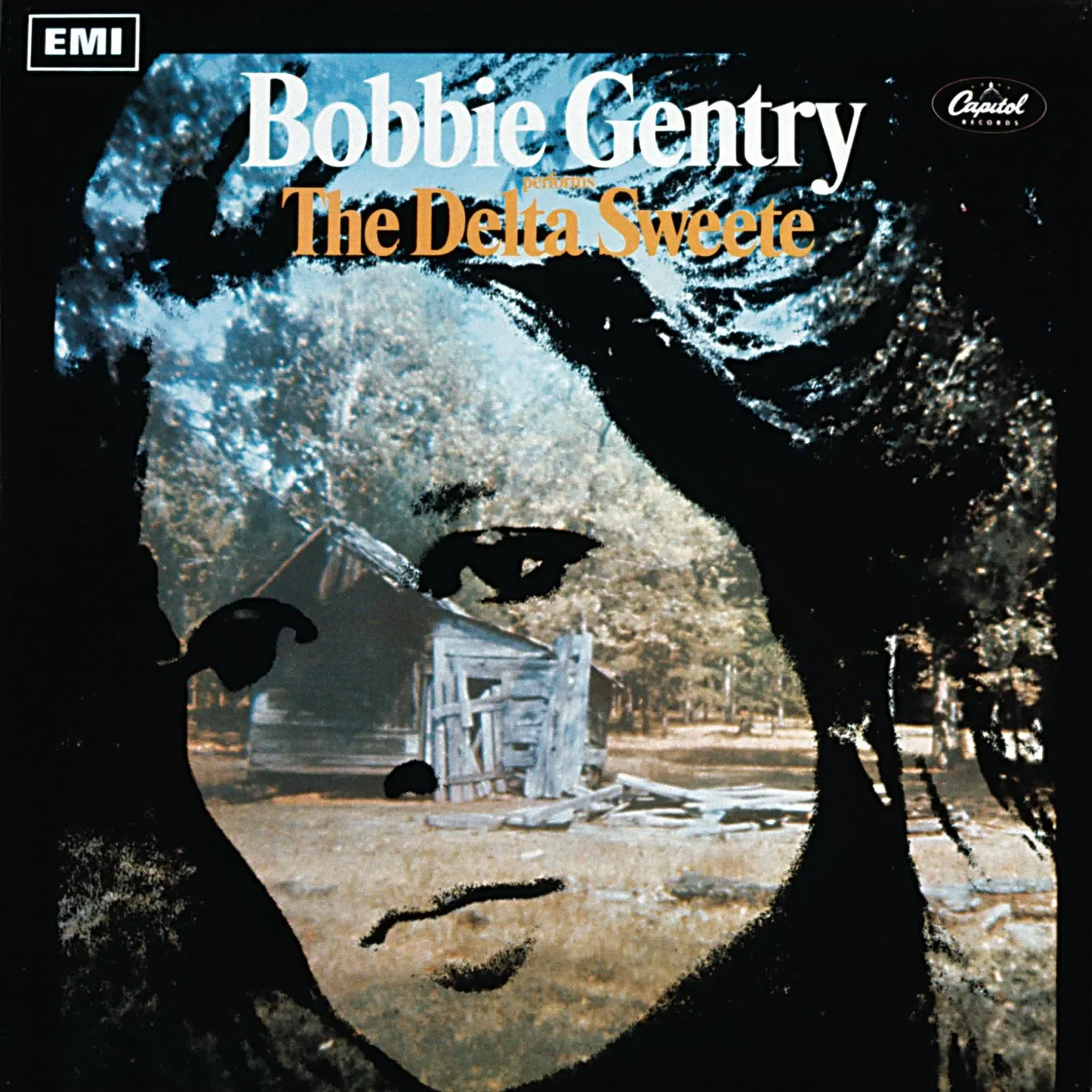
Bobbie Gentry followed 1967’s hit ”Ode to Billie Joe” with brilliant concept albums including 1968’s classic Delta Sweete.
These poles leave open a weird mental space between people we understand to be gifted artists with a unique point of view who also write music that appeals to a broad range of people. The latter category is why so many songwriters from Broadway and Tin Pan Alley as well as contemporary musical theater writers have drawn in so many audiences from Cole Porter to Lin-Manuel Miranda. Of course, Broadway music no longer defines mainstream pop music, but the most renowned musical theater composers figured out the balance.
Finally, we must address the question of technology. Most people object to the idea of music generated by A.I. because it is derivative, unoriginal and uninspired and humans are not involved in its creation. Technology can be a helpful tool for many musicians otherwise a lot of dance music and hip hop wouldn’t resonate, and broader production techniques derived from those genres would not Infuse popular music the way they do. This raises the question then of why songwriters in those genres typically face so much ire and resentment. Asking ourselves these questions speaks volumes about what we seek out from popular songs as opposed to what we say we want and what we expect.
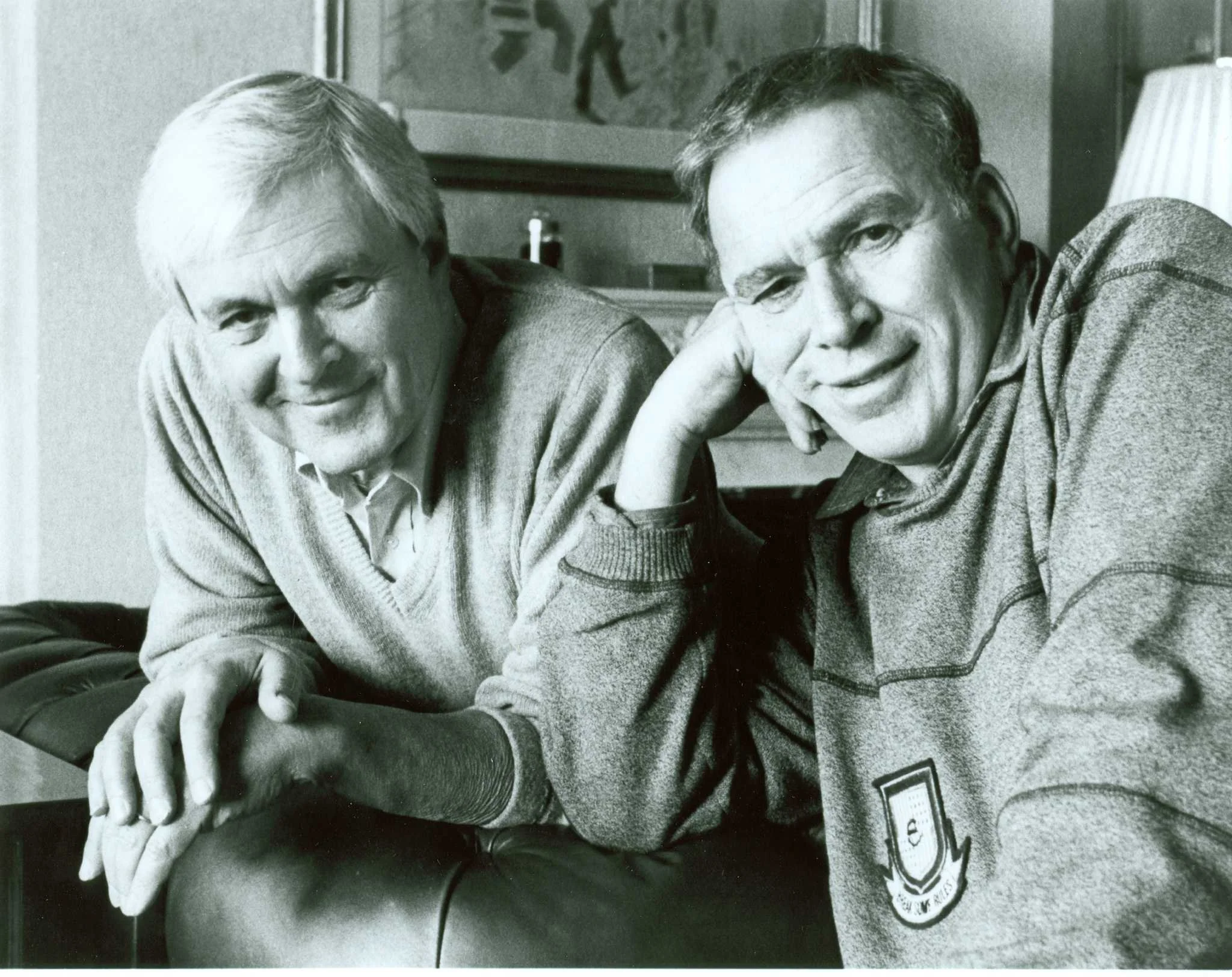
If you enjoy classic musicals like Cabaret and Chicago you can thank musical theater legend John Kander and Fred Ebb who revolutionized musical theater.
Chorus: “Good” songwriting
Songwriting lists generate controversy by virtue of how we perceive “good” songwriting. Many of our images of “proper” songwriting over rely on the image of folk-based troubadours strumming guitars or tortured souls pounding out melodies on pianos. This narrow conception of songwriting as quintessentially “singer songwriter” music reduces songwriting to juvenile ennui.
This bias also overlooks professional writers who write for vocalists whether they are singing actors or pop musicians. While personal revelations and psychological reflection could shape their songs many professional writers are constructing songs as dramatic vehicles for actors (e.g., musical theatre) and/or writing songs for specific voices. Understanding this moves us beyond pop song-as-catharsis. Many contemporary writers overlook the astonishing influence of theatre and film on American popular music of the first half of the twentieth century. Ever since rock ‘n’ roll emerged as the seeming antidote to pre-rock pop rock critics have downplayed it for lacking “grit” but this is ahistorical and intellectually dishonest.
Recognizing the theatrical roots of much of 20th century American pop also opens our ears to more experimental writers who are less literal, more playful and genuinely eccentric. Laurie Anderson, David Byrne, the band Fishbone, Rickie Lee Jones, Laura Nyro, and Tom Waits have all written ambitious, daring music laced with textures, characters and imagery beyond just setting personal poetry to music.
Singers who collaborate with professional songwriters and producers add another dimension. Mariah Carey, Madonna and Janet Jackson have produced 41 #1 Billboard Hot 100 hits and co-written 38 of 41. They clearly balanced personal expression with an ear for what people want to hear. Because they are women and associated with pop their musical contributions are routinely overlooked.
When I made the original list of 76 songwriters, I included the “Frankin Sisters” Aretha and Carolyn because the “Queen of Soul” is severely underrated as a songwriter and pianist, and her collaborations with her sister are important to her sound. She became the “Queen” in part because she knew how to write and arrange the kinds of songs that showcased her voice effectively. The fact that any other singers have found their voices in these songs is notable.
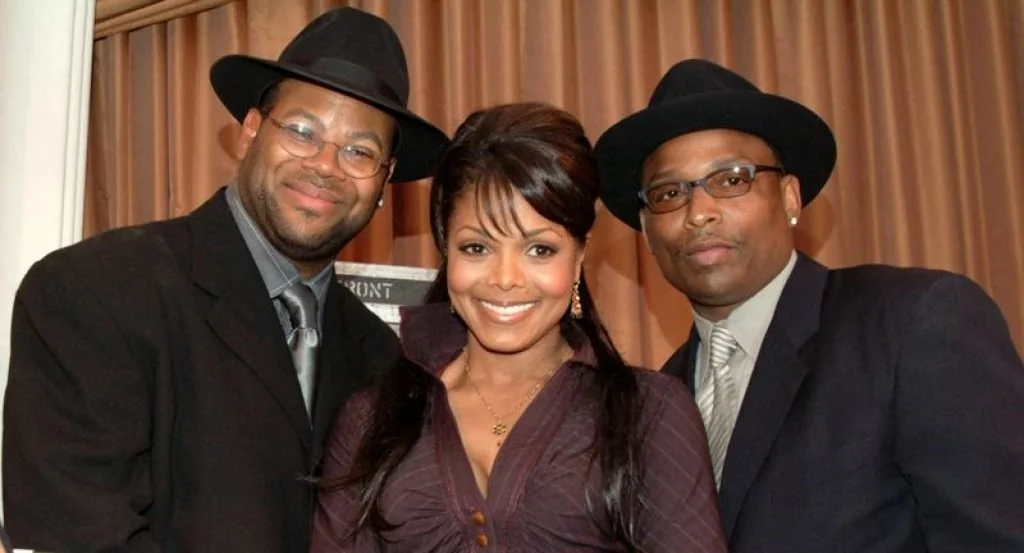
As a creative team Janet Jackson, Jimmy Jam, and Terry Lewis have written and produced some of popular music’s most impactful contemporary songs.
My parameters inform who's included on the list, but does this mean my list is narrow? Not necessarily because parameters can still have a wide range.
An example is my intentional inclusion of songwriters writing in languages other than English. In the early 1960's the Brazilian jazz genre bossa nova became very trendy worldwide and opened many listeners and musicians’ ears to Brazilian popular music. Two of the most prolific writers creating in these traditions are Antônio Carlos Jobim a classically trained musician versed in samba, pop, classical music and jazz, and Milton Nascimento, a poetic writer loved by jazz artists. Their songs have been widely covered and interpreted and they remain the best-known popular Brazilian songwriters, so I included them.
I also included Ivan Lins who whose songs, usually written first in Portuguese, began garnering interpretations in the 1980s including “Love Dance” and “The Island.” Some of his more famous songs have been covered by pop artists, jazz musicians, and cabaret singers and his music was influential enough to inspire 2000’s songbook compilation A Love Affair: The Music of Ivan Lins. I'm not sure that your average pop focused songwriter list would include someone like Lins but if we look beyond mainstream pop/rock music or the U.S. the influence of writers outside of English becomes clearer.
I am very familiar with Brazilian popular music because many American interpreters feature Brazilian songs in their repertoire which sparked my curiosity to research it more deeply and write about it. Similarly, several songs in the bolero tradition such as Consuelo Velázquez’s “Bésame Mucho” (written in 1932) and Alberto Domínguez’s “Frenesi” (written in 1939) have been covered by U.S. artists since the 1940s and exposed listeners to the tradition. While I enjoy Mariachi and bachata, I am a casual listener at best and feel less tied to other strands of the vast universe of Latin American pop music. The absence of certain songwriters is based more on lack of familiarity than lack of interest. This means more listening and research on my part. The joy of lists is the revelation of the limitations and biases of the person writing them and the opportunity to expand your horizons.
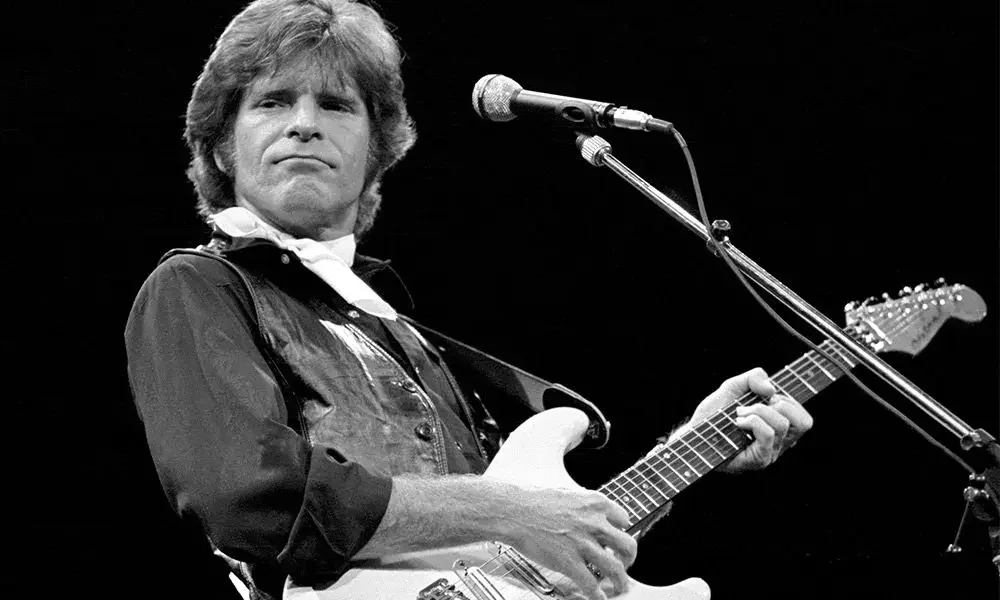
Both within Creedence Clearwater Revival (CCR) and as a solo artist John Fogerty has earned a reputation as a passionate, uncompromising songwriter.
Bridge: Why some and not others
If you write a list must be willing to own your taste. One of the more controversial aspects of the Times video are several critics honestly noting a conscious choice to exclude the most obvious or popular writers folks associate with “singer songwriters” including Billy Joel and Donald Fagen. I lean more toward inclusion than exclusion but there are certain songwriters I excluded from the 76 for specific reasons. A few examples of songwriters I excluded and my rationale are below:
James Taylor
Taylor is the archetypal “sensitive” male singer-songwriter. In the early 1970s he conveyed a refreshing vulnerability about himself that touched people most notably on “Fire and Rain.” Beyond “Fire” a handful of his songs have been covered semi-frequently including “You Can Close Your Eyes,” “Don’t Let Me Be Lonely Tonight,” and “Secret o’ Life.” Are these songs varied enough in tone and theme to define him as great, especially when compared to other songwriters of his generation such as Joni Mitchell and Elton John? For me the answer is no. He has morphed into more of a crooner than a notable writer. His tender interpretation of Carole King and Gerry Goffin’s ballad “You’ve Got a Friend” earned him a #1 pop hit in 1971 and a Grammy Award and made him a reliable radio staple and album seller for years. This continued with mellow covers of Marvin Gaye’s “How Sweet it Is (To Be Loved by You),” Jimmy Jones’s’ “Handy Man,” and Buddy Holly’s “Everyday.” He peaked as a writer early and his music became more focused on workmanlike songs that sounded good on the radio and blended in smoothly rather than standing out. He has devoted much of his 21st century recording to covers including holiday songs, oldies and pre-rock standards. Taylor has become a kind of Baby Boomer crooner-statesman which has made him a very popular performer especially at Tanglewood. He’s an icon yet many of his peers operating in the same aesthetic space have more expansive and eclectic song catalogs.
Tom Waits
Another beloved songwriter people love I find challenging to warm up to is Tom Waits. When he started his career, he projected an almost performance artist like persona as the heartbroken alcoholic pianist with his heart on his sleeve whose grizzled voice symbolized a hard life. It's hard for me to separate his music from his persona because it is so affected. It’s no surprise he has worked as an actor; there’s an innate theatricality to him that goes beyond the radio. In the mid to late 80s she took a turn toward more conceptual music and expanded his palette to write musicals and a variety of other endeavors with his partner Kathleen Brennan. His music has been influential in the sense that several singers, ranging from the great Canadian jazz vocalist Holly Cole to, um, actress Scarlett Johansen, have recorded whole suites of his music. Many of his most distinctive and original songs are not necessarily the songs that people cover. For example, Rod Stewart made Waits’ “Downtown Train” slightly more melodic, and it became a hit. His songs are more effective when he sings them. That doesn’t make those songs essential or influential, however.
Led Zeppelin and The Rolling Stones
I declined to include the songwriters associated with The Rolling Stones and Led Zeppelin since a lot of their hits attempted to replicate the attitude, sexuality and “menace” of blues songs. Instead of including them I included their influences, including Robert Johnson and Willie Dixon, gifted songwriters whose work is readily accessible to contemporary listeners. Its not personal but as a blues fan, a lot of what rockers do is so derivative it makes more sense to recognize the original sources.
Steely Dan
A lot of people, including myself, enjoy Steely Dan as well as some of the songwriting of Donald Fagen and Walter Becker who also have recorded solo albums. They are another example of a group whose music is deeply connected to their personae, styles and voices, and whose music depends more on their recordings. If you listen to their records, you hear a meticulousness and intricacy in the engineering that is hard to duplicate live, and very tied to who they are as artists not just as writers. Their sensibility is also easily lost in translation. Fagen’s solo projects are even more esoteric from an interpretive perspective. I read an interview with jazz vocalist Mel Torme in the mid-80s where he was asked about singing more contemporary songs. He shared that he understood and appreciated Steely Dan’s music, but he couldn't really see himself interpreting it. Their music is so idiosyncratic and tied to them when someone covers their music it usually sounds ridiculous. They are fine songwriters I just think their music is best served when they sing their songs, which isn't necessarily true for other writers whose music is more adaptable.
Diane Warren
The professional songwriter the Times included whom my list excludes is Diane Warren. Warren has historically been dismissed in the rock critical world for writing formulaic and generic songs designed more for airplay on adult contemporary radio than for art. While this perception has softened her limitations as a writer reiterate my perception of her music as assembly line pop. Since the late 1990s, as adult contemporary music has fallen from favor she's written some quirkier songs, especially for films, and there seems to be a new generation of listeners who like her songs. I tie some of this to a younger generation intrigued by “traditional” pop song craft. Her songs have melodies and hooks and chord changes and such. While there are performances of her songs I enjoy, (Patti LaBelle’s “If You Asked Me To,” DeBarge’s “Rhythm of the Night”) I find her songs pedestrian. She is a professional songwriter for hire, who has a remarkably high volume of hits, and whose music fits very comfortably in an established commercial niche. Despite her ubiquity I don't find her music particularly moving or distinctive or inspired.
***************************************************************************************************************
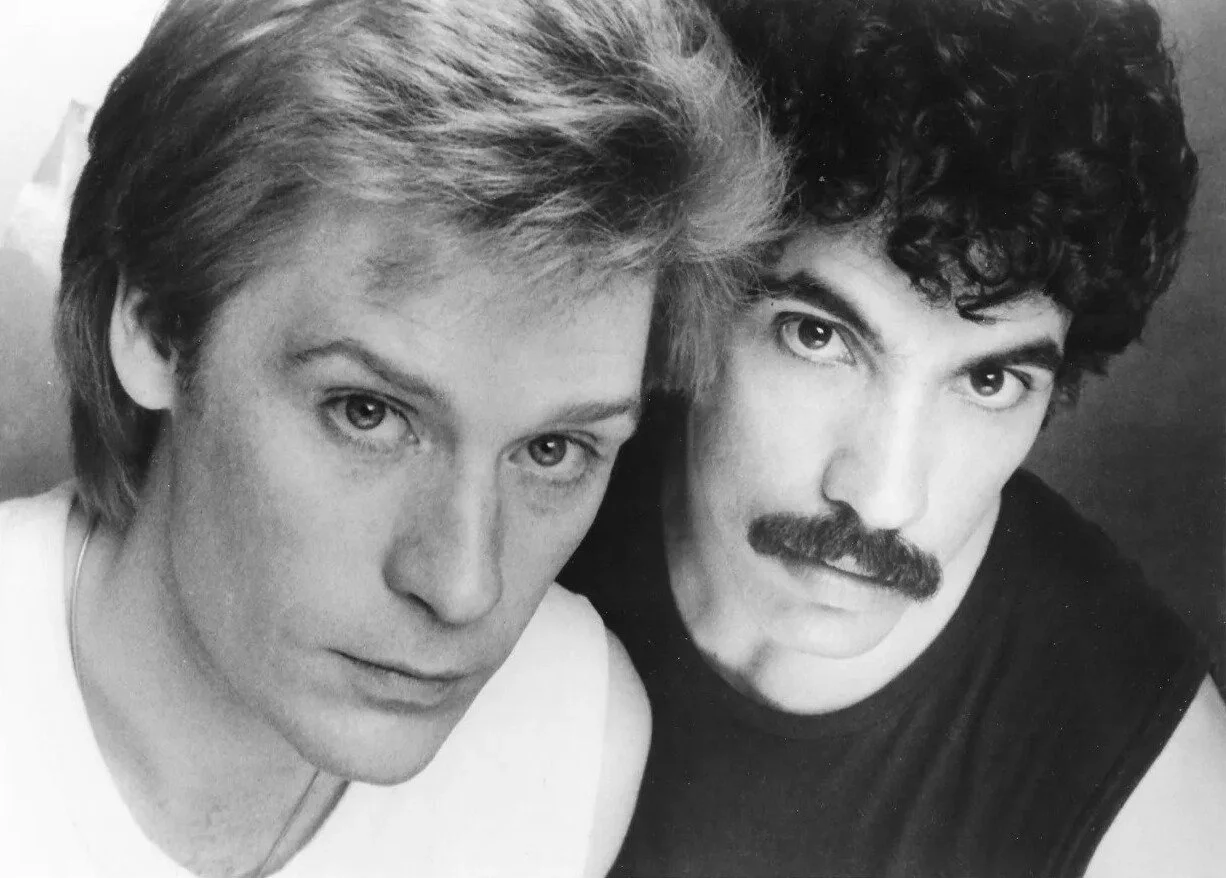
Though Daryl Hall and John Oates no longer perform together their records reveal them as some of the skillful and original songwriting teams of the rock era.
Based on the Times’s list and the five years that have passed since that time I revisited the 76 entries from my original post and added eight more entries. While I am mostly satisfied with my selections revisiting the original list reminded me that lists should be open-ended rather than definitive. Songwriters whose influential work continues to inspire interpretations and exploration that I would add to the original list include the following:
“Tite"” Curet Alonso (1926-2003)
According to The Independent, “In March 2025, Spotify reported that its global salsa streams had surged more than 140 per cent in the past five years, ‘with US consumption nearly doubling’, and listeners aged 18-24 ‘now the second-largest demographic streaming salsa worldwide.’” Classic salsa’s most prolific songwriter was Catalano “Tite” Curet Alonso. Born and raised in Puerto Rico he was a proud Afro-Puerto Rican whose songs were covered by a wide range of performers including Celia Cruz, Hector Lavoe, La Lupe, and Isamel Rivera among other iconic performers in Latin music. His songs addressed romantic and political themes, and his talents extended to composing sambas inspired by his love of Brazilian popular music.
Mariah Carey (b. 1969)
If TV programs like American Idol and The Voice are any indication, not to mention countless pageants, mall openings, church recitals, and karaoke performances, Mariah Carey is the most influential popular vocalist of her generation. As the writer of nearly all her hits, including “Vision of Love,” “All I Want for Christmas is You,” “Fantasy,” “Always Be My Baby,” and “We Belong Together,” it follows that she is one of the most impactful writers as well. Beyond her commercial success as a writer (she’s written 18 #1 hits) she infused diva pop with hip-hop soul and reinvented herself, her sound, and the contours of contemporary pop in the process. Adele, Christina Aguilera, Beyonce, Ariana Grande, and Victoria Monet and others have heralded her artistry. Within a career of honors her induction into the Songwriters Hall of Fame seems most fitting.
John Fogerty (b. 1945)
Creedence Clearwater Revival’s 1976 compilation Chronicle: The 20 Greatest Hits has sold 12 million copies for good reason: It contains some of the best original songwriting of the rock era, and John Fogerty is the reason. Fogerty grew up in the Berkeley, California area but had a penchant for writing gritty, swamp rock laced with bayou flavor. This sound defined CCR which was one of the most popular bands from 1969-71. Fogerty wrote their defining songs including classics like “Proud Mary,” “Bad Moon Rising,” “Have You Ever Seen the Rain” and “Born on the Bayou.” He also wrote intelligently about the Vietnam war (“Fortunate Son,” “Who’ll Stop the Rain”) and remained a politically engaged songwriter. After leaving CCR he forged a solid solo career, winning a Grammy Award for 1997’s Blue Moon Swamp addressing the Iraq Way on 2004’s Déjà Vu all Over Again, and revisiting some of his CCR classics with contemporary artists on 2013’s Wrote a Song for Everyone.
Janet Jackson (b. 1966) + Jimmy Jam (b. 1959) and Terry Lewis (b. 1956)
After living in the shadow of her famous siblings Jackson carved out an identity as an actress and teen pop singer but 1986’s Control, her classic collaboration with Jimmy Jam and Terry Lewis, defined her as an artist. One of the boldest and most original expressions of a young woman’s independence, the album, and its groundbreaking videos, translated her burgeoning sexuality through buoyant contemporary Minnesota funk and catapulted her into the realm of adult artists. Her successive albums, notably, Rhythm Nation 1814, janet. and the Velvet Rope, employed a thematic approach to social ills, adult sensuality, and psychological vulnerability that widened the doors opened on Control. Jackson wrote and often co-produced her most anthemic songs and their enduring influence and popularity, set a foundation for the transition numerous artists made from teen pop to adult pop. In that regard singer-songwriters as varied as Beyonce, Taylor Swift, and Justin Timberlake owe her a debt of gratitude.
John Kander (b. 1927) and Fred Ebb (1928-2004)
Don’t let crummy revivals and celebrity stunt casting distract you from the innate greatness of Cabaret and Chicago. Broadway and film composing duo Kander and Ebb added darkness, wit, and social commentary to musical theatre at a time when it was losing momentum and needed new voices. “Maybe this Time,” “Cabaret,” “Cellblock Tango,” and “Mister Cellophane” are some of the most iconic songs in musical theatre and popular culture as is their original “New York, New York” which Liza Minnelli premiered and Frank Sinatra immortalized.
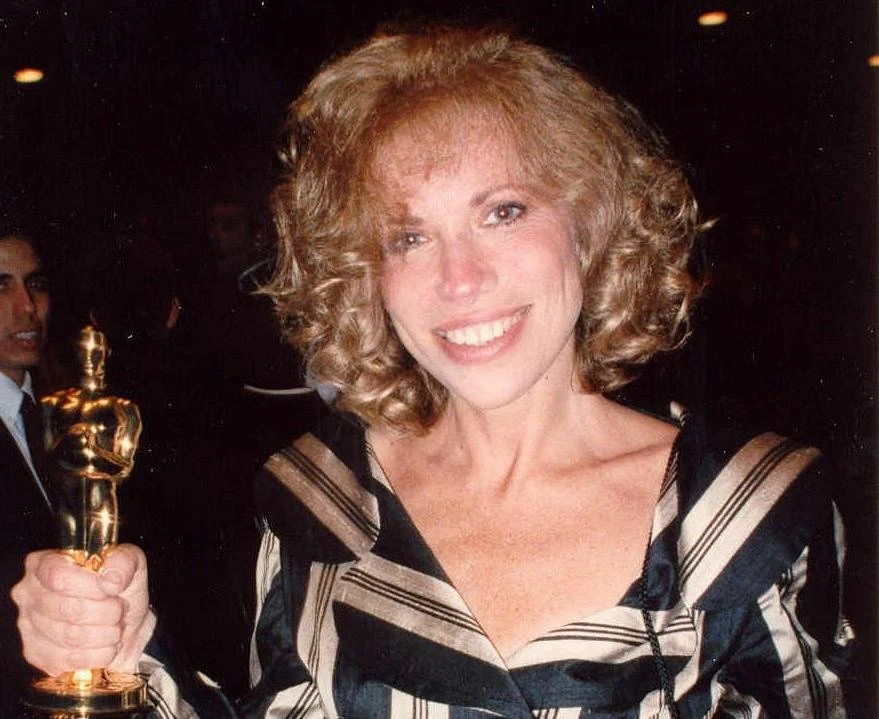
Carly Simon’s writing talents extend beyond pop music to film. She won an Academy Award for “Let the River Run” (from Working Girl) in 1988.
Madonna (b. 1958)
“Live to Tell,” “Like a Prayer,” “Vogue,” “Ray of Light,” and “Music” are era defining songs Madonna co-wrote. They are so anthemic, their greatness requires no explanation. Despite their popularity and her iconicity Madonna’s songwriting prowess is severely underrated. Very few MTV era pop stars managed to transcend the 1980s and redefine themselves yet Madonna had stories to tell and songs to sing well beyond the first phase of her career. Her gift for melody, mastery of diverse dance styles, and potent lyric sensibility helped her launch a pop career spanning over four decades.
Raphael Saadiq (b. 1966)
As a songwriter, producer, and performer Saadiq has few peers in talent and scope. After establishing himself in the new jack-era R&B group Tony! Toni! Tone! he went solo and branched into writing and producing for other artists and writing for film and TV. Songs like D’Angelo’s “Untitled (How Does it Feel),” Erykah Badu’s “Love of My Life (Ode to Hip Hop)” Angie Stone’s “Brotha” Mary J. Blige’s “Mighty River,” and Beyonce’s “Cuff It” are just a sample of notable songs in contemporary Black pop he has written and produced. As adept at contemporary blues (“I Lied to You” from Sinners) as he is at funk and neo-soul ballads, he is a masterful synthesizer of styles. He’s also a superb solo artist with a formidable solo career. Academy Award nominated for Mudbound and Sinners, Emmy-nominated for Lovecraft Country, and nominated for over 20 Grammys, his talent is the rare consensus in the fragmented music industry.
Carly Simon (b. 1943)
Carly Simon has at least three personas as a songwriter. There's Carly Simon the melodist whose songs that crossed over to a broad audience especially in the 1970s and 80s; there's Carly Simon the albums artists whose song suites dig deeper and bring us closer to her beyond the radio; and then there's Carly Simon the writer of film scores and movie songs whose sonic visions have defined several notable films. Iconic songs like “You're so Vain” and “Anticipation” offered an askew perspective that elevated her commercially and artistically defined her against the conventional pop of their time. As she matured, she expanded her palette to write sprawling yet intimate masterpieces for film like “Coming Around Again” and the Oscar winner “Let the River Run” songs haunting in ambiance and exacting in detail. Her best writing is soulful music that welcomes us in wholeheartedly.
*************************************************************************************************************
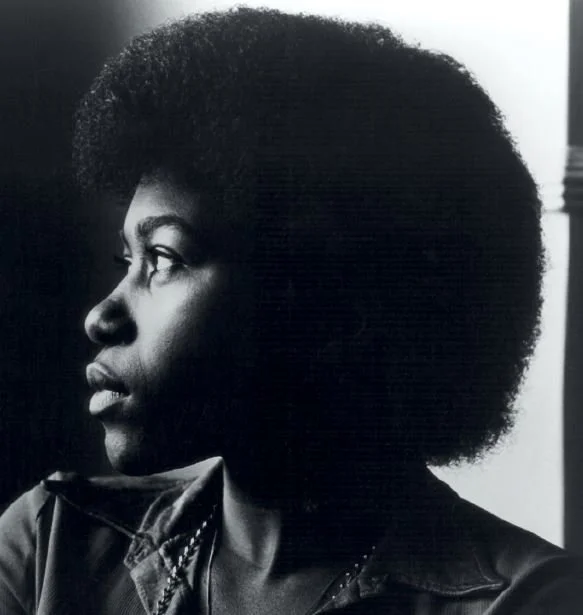
Joan Armatrading is a songwriter with impeccable taste, stylistic range, and a gift for melody.
Outro
The process of expanding my list excited me to make space for songwriters who rarely surface in these lists who have contributed and expanded the nature of popular song. While several of these writers have achieved major mainstream commercial success in the U.S. and abroad, many of them have composed songs too weird or quirky for the commercial norms of their time to be hitmakers. Several are even discernibly uncommercial; all are interesting:
Joan Armatrading (b. 1950)
Born in St. Kitts and raised in London the more she has written and recorded the less a fixed discernible her “style” is and this is a great thing. In the mid-1970s, especially on her breakthrough album Joan Armatrading, she wrote modern versions of acoustic guitar driven folk songs focused largely on intimate matters such as the winning “Love and Affection.” A few years later she fleshed out her sound with rock and new wave textures. This seemed to have pushed her to play more with tempos and craft snappier songs further expanding her palette and profile. More recently she has embraced the blues in her music which has garnered her acclaim. Her ballads have an intimate, even whimsical aspect (“Willow,” “When You Kisses Me,” “What do Boys Dream”) periodically offset by more direct muscular music (“Drop the Pilot”). She’s a genuinely interesting lowkey guitar hero who belongs in folk-rock, pop, rock, and the blues.
Julia Fordham (b. 1962)
If Sarah Vaughan wrote songs like Joni Mitchell or Mitchell sang like Vaughan the result might resemble British musician Julia Fordham. Fordham has always had far more voice and vocal sophistication than the new nouveau folk/singer songwriters who emerged in the late 1980s and wrote more adventurous songs than most too. Her mastery of jazz chords (“Cocooned,” “Only for You”) and R&B (“Sugar,” “Like You Used To”), and her allusions to everything from country (“I Can Tell You Anything”) to gospel (“Alleluia”) exhibits an expansiveness and range that also goes well beyond the vine of acoustic folk. This enables her to experiment and go places musically that trouble genre.
Bobbie Gentry (b. 1942)
Gentry’s 1967 hit “Ode to Billie Joe” made her one of the most intriguing voices of the time. Few singer-songwriters outside of country music voiced songs from the perspective of a rural Southerner or were as adept at placing listeners in the humid swamps of Bayou country, at the family table, and in the minds of a range of characters. Beyond and within the local color Gentry painted vivid pictures of human behavior—greed, lust, cruelty, and complexity define the characters and landscapes of her albums. Though “Ode” the single and album made a large commercial impact follow-us like The Delta Sweete and Patchwork were even more conceptual and probing in scope. Despite recording primarily in the brief 1967-71 span the championing of her songwriting by accomplished writers like Rosanne Cash and Lucinda Williams proves why her songwriting matters.
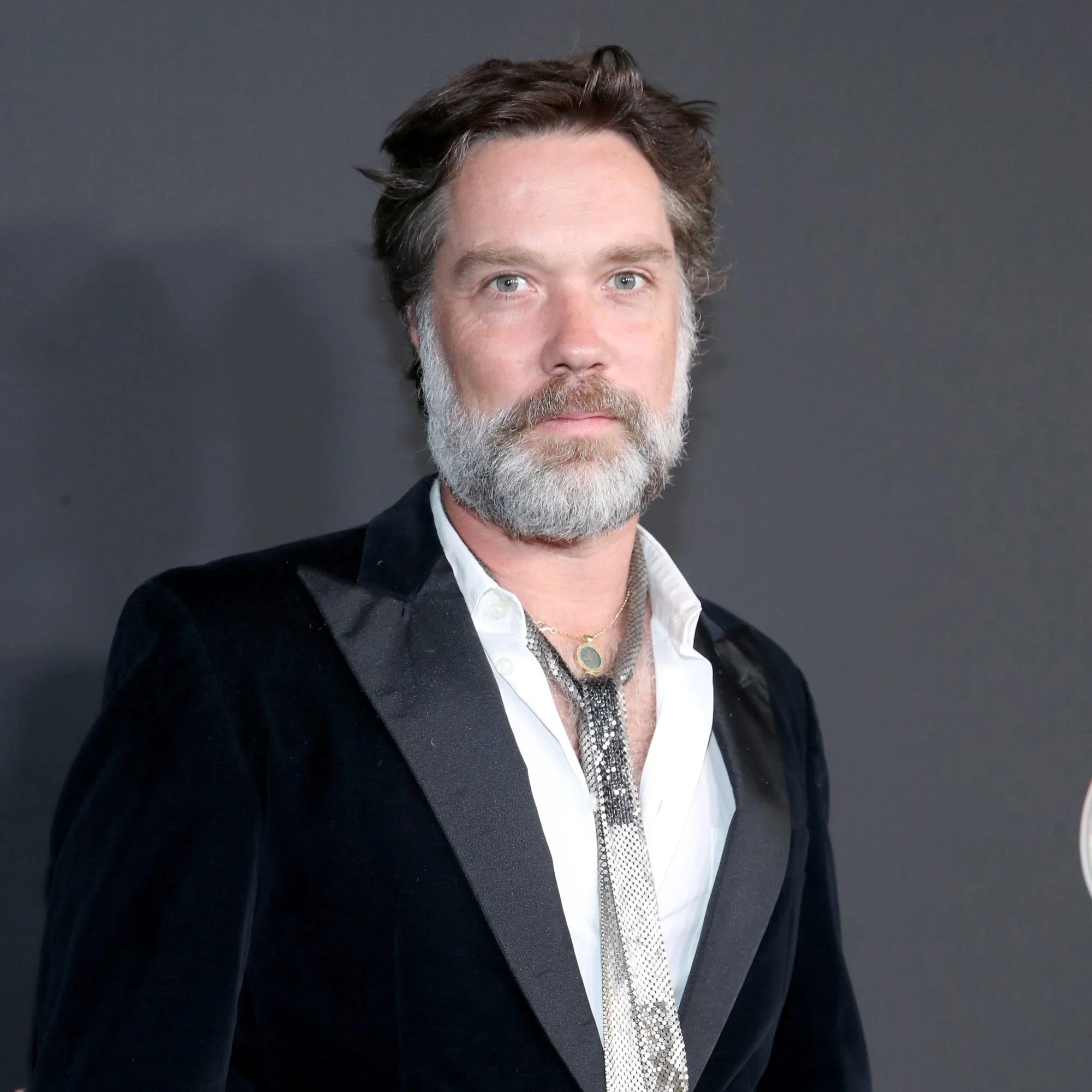
Since his 1998 debut album Rufus Wainwright has written with gusto and originality.
Daryl Hall (b. 1946) and John Oates (b. 1948)
Almost every mention of the (former) partnership of Daryl Hall and John Oates reminds you they are the most popular musical duo in pop music history. A closer listen to their music reveals them as more than hit machine. Well known songs like Tavares’s cover of “She’s Gone,” Paul Young’s hit interpretation of the album track “Everytime You Go Away,” the oft-imitated and sampled “I Can’t Go for That (No Can Do)” as well as lesser known songs like 1982’s “The Art of Heartbreak” and 2004’s “Soul Violins” exemplify their creativity and scope beyond the radio. Among the 18 albums they recorded from 1972-2006 one finds an unusually wide-ranging and engaging set of original songs written by remarkably resourceful and experimental musicians. For every intriguing oddball experiment you might encounter on their earlier albums like the reggae tinged “Soldering” and the frenetic new wave of “Intravino,” one finds the graceful melody of “Camellia,” the soulful harmonies of “Do What You Want, Be What you Are” and the dark humor “Diddy Do Wop (I Hear the Voices).” While they no longer record or perform together what they accomplished together is formidable and worth revisiting.
k. d. lang (b. 1961)
lang projected a goofy cowpunk vibe on her first two albums before placing herself in calmer settings that showcased her skills as a torch singer and countrypolitan stylist. 1989’s Absolute Torch and Twang was the fullest display yet of her range as a songwriter including a range of moods from cocky (“Didn’t I”), yearning (“Pullin’ Back the Reins”) and whimsical (“Big Boned Gal”) to sober (“Nowhere to Stand”). Her breakthrough album Ingenue, best known for the soaring “Constant Craving,” further amplified her compositional prowess on what she termed “art nouveau easy listening music.” The taut, sensuous pop of All You Can Eat reinforced the impression of lang as one of pop music’s most original voices. In her latter career she has mixed interpretive projects with suites of original material defined by her unique sense of musical adventure.
Lyle Lovett (b. 1957)
“God Will,” the most iconic song of Lyle Lovett’s early career was a sly dig at grace and forgiveness which upended contemporary country music’s lapse into lyric formulas. In lieu of aw-shucks earnestness or bland sentimentality Lovett laced the song with acid. As a master of lyrics and tone his often ironic, tongue-in-cheek approach requires and rewards close listening. Lovett is also an eclectic who is as conversant with western swing and R&B as he is with country. Employing these tools, he established his iconically rebellious persona through songs without limits, stylistically or thematically on his first three albums Lyle Lovett, Pontiac and Lyle Lovett and His Large Band. These signpost albums helped him push the boundaries of country prior to the genre’s mega homogenization in the early 1990s. In addition to recording his original material he has championed Texas based songwriters and songwriting.
Pet Shop Boys (Chris Lowe b. 1959 and Neil Tennant b. 1957)
Longstanding prejudices against dance-oriented music have biased many critics and listeners against dance pop. Anyone who reduces it to “mindless” and “disposable” has not listened to Pet Shop Boys. Chris Lowe and Neil Tennant are not avant-gardists—they are remarkably successful at writing deliciously melodic, catchy songs like “West End Girls” and What Have I Done To Deserve This” as well as subtler more haunted music, such as the elegiac “Being Boring,” that sticks with you long after the record has stopped. Their queerness, their Britishness, their elevated sense of visuality and their love of pop permeates their career which continues to thrive after four decades. After years of pop success, they also branched into writing for films and musicals and writing and producing for other artists.
Sly Stone (1943-2025)
Aretha Franklin, Arrested Development, Miki Howard, Etta James, Joan Jett, Betty LaVette, Peggy Lee, and Phoebe Snow have at least one commonality: they have interpreted a song written by Sly Stone, Questlove’s 2025 documentary Sly Lives! (aka The Burden of Black Genius) reminded audiences of Sly and the Family Stone’s legacy just months before Stone passed at 82. While the band’s hit songs and classic albums are often at the forefront of our memory his skill as a songwriter sometimes gets lost. More than a bandleader, icon, or person who struggled with addiction he was a genius with an original approach to melding soul, funk, gospel, rock, and pop together. One of his gifts was an ability to write big anthems that still felt personally resonant. Stone also wrote profoundly intimate songs like “Thank You (Falettinme Be Mice Elf Agin)” that no one else could have written. His music built on the legacy of pioneers like James Brown while also inspiring the genius of other musicians including Miles Davis and Prince.
Luther Vandross (1951-2005)
The affectionately named “Pavarotti of Pop” was such an inventive interpreter it’s easy to forget his skills as a songwriter, arranger, and producer. That would be a mistake especially for fans who enjoy classics like “Never Too Much,” “So Amazing,” “Stop to Love,” and “’Til My Baby Comes Home,” and “Power of Love/Love Power.” Vandross’s first compilation is appropriately subtitled The Best of Love in honor of his embodiment of 1980s-1990s love songs. Vandross was as capable of writing funk as he was ballads, and he continually adapted to changing production trends without ever losing sight of his vision for luscious, contemporary love songs.
Rufus Wainwright (b. 1973)
Wainwright’s status as son of Kate McGarrigle and Loudon Wainwright III might have shaped him, launching his career as a singer-songwriter but has never confined him creatively. Loudon’s wryness and Kate and Anna’s plaintive, folk-oriented approach are tools within a vast toolbox of compositional tools. His love of opera and penchant for drama inflect the sweeping emotion and intricate arrangements of songs on his debut like “Foolish Love” and “Damned Ladies.” On early 2000s era albums like Poses and his two-part Want series he further stretched himself defining his persona as queer, yearning, and feeling in constantly in awe of beauty. While expanding his recordings to include live recordings and standards, he has also broadened his scope adapting Shakespeare sonnets and composing operas. His relentless experimentation makes him one of pop music’s most unpredictable and creative songwriters.
COPYRIGHT © 2026 VINCENT L. STEPHENS. ALL RIGHTS RESERVED